
What is Allantoin?
Allantoin is a compound found naturally in many plant and animal tissues. It is found in particularly high concentrations in garlic, stinging nettle, and certain plant extracts. It is also produced in the human body as a result of certain metabolic processes.
Chemically, allantoin is a compound known as 5-ureidohydantoin and has both a pyrimidine and a urea structure. It is commonly used in skin care products and cosmetics. Scientific literature indicates that allantoin promotes cell renewal in the skin and helps reduce skin irritation.
HEALTH REGULATION NOTICE
Frequently Asked Questions
Allantoin is a compound found naturally in many plant and animal tissues. Chemically, it is known as 5-ureidohydantoin and has a structure derived from both pyrimidine and urea. Its chemical formula is C4H6N4O3.
Allantoin occurs naturally in certain plants, such as garlic, stinging nettle, and aloe vera. It can also be produced in the human body as a result of certain metabolic processes.
The scientific literature indicates that allantoin promotes skin cell renewal and may help reduce skin irritation. Because of these effects, it is commonly used in skin care products and cosmetics.
The information provided does not include any specific details regarding the traditional uses of allantoin. However, it is noted that allantoin is frequently used in cosmetic and dermatological products due to its potential benefits for skin care.
Allantoin is commonly used as an ingredient in skin care products. Supplements or products containing this ingredient are not substitutes for medications and should not be used to treat or prevent any disease. If you have concerns about your health, it is important to consult a healthcare professional.
Products Containing This Active Ingredient
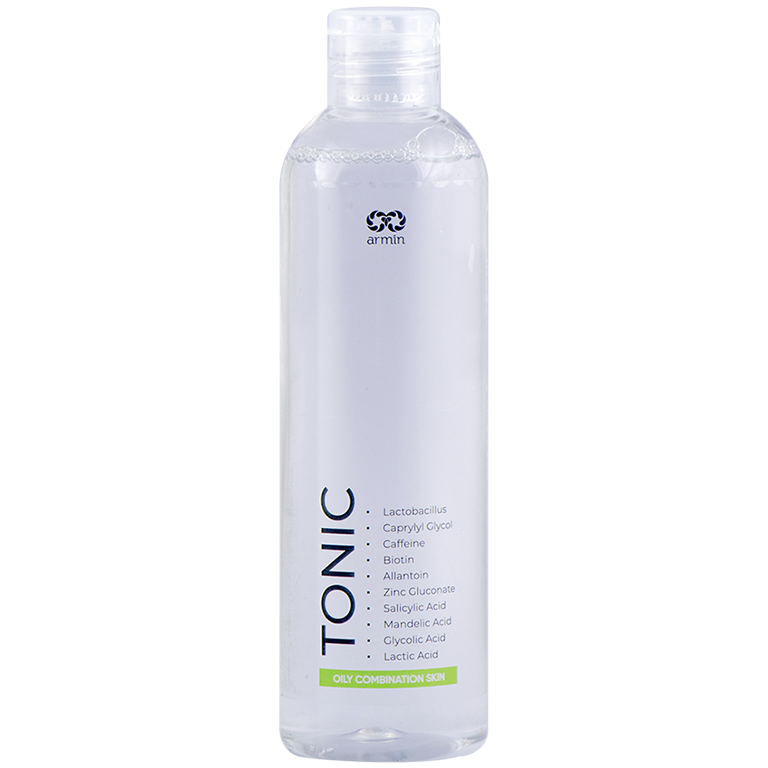 250 ml TonicArmin Tonic for Oily and Combination SkinFormulated for oily and combination skin, Armin Tonic helps prepare the skin for skincare and gives it a smooth, matte…View
 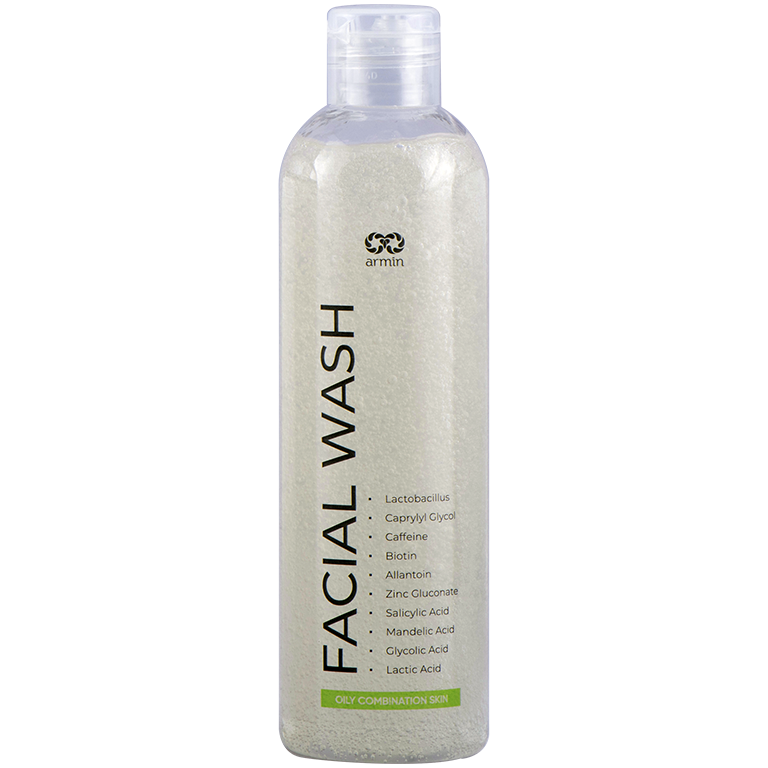 250 ml GelArmin Facial Cleansing Gel for Oily and Combination SkinArmin Facial Cleansing Gel for Oily & Combination Skin; formulated to gently cleanse the skin as the first step in your…View