
What is Alpha-Lipoic Acid?
Alpha-lipoic acid is an antioxidant that is soluble in both water and fat. It occurs naturally, particularly in vegetables such as spinach, broccoli, tomatoes, and potatoes. In the human body, it is naturally synthesized within the mitochondria.
Chemically, alpha-lipoic acid has a disulfide structure and the formula C6H10O2S2. Scientific literature describes it as playing an important role in energy production and cellular metabolism.
Packer, L., et al. (1995). Alpha-lipoic acid as a biological antioxidant.
Biewenga, G. et al. (1997). The role of the antioxidant alpha-lipoic acid in the treatment of diabetic complications.
Data source: PubChem · CID 864
HEALTH REGULATION NOTICE
Frequently Asked Questions
Alpha-Lipoic Acid (ALA) is a naturally occurring compound that plays an important role in energy metabolism. It is an antioxidant that is soluble in both water and fat. Its chemical formula is C8H14O2S2, and it has a disulfide structure.
Alpha-lipoic acid is found naturally in vegetables such as spinach, broccoli, tomatoes, and potatoes. It is also synthesized within the mitochondria of the human body.
The scientific literature indicates that alpha-lipoic acid plays an important role in energy production and cellular metabolism. Research has been conducted on its protective effects against cellular damage due to its antioxidant properties.
Specific information regarding the traditional uses of alpha-lipoic acid is limited. However, due to its antioxidant properties, it has attracted interest in the context of general health and cellular functions.
Alpha-lipoic acid is a compound found naturally in the body, and supplements are also available. However, it is important to consult a healthcare professional before taking any supplements for a health condition. Supplements are not a substitute for a balanced diet and a healthy lifestyle and should not be used in place of medication.
Products Containing This Active Ingredient
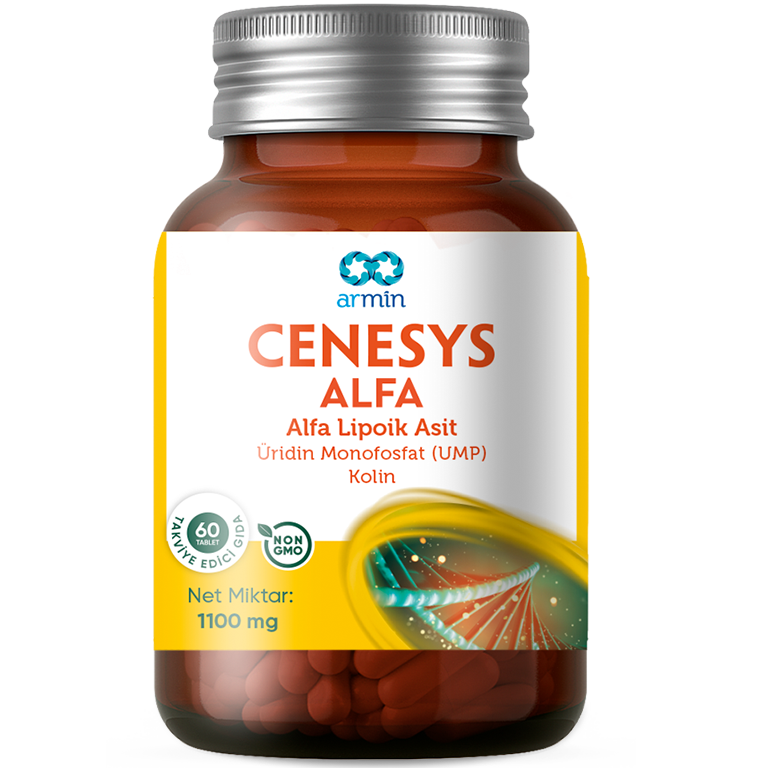 60 TabletsCenesys ALFACenesys ALFA is a dietary supplement containing magnesium citrate, alpha-lipoic acid, choline, and uridine…View