
What is Apigenin?
Apigenin is a member of the large plant-compound family known as flavonoids. These compounds are commonly found in flowering plants — particularly in chamomile, the citrus family, and a number of herbs and vegetables.
Chemically, apigenin has the formula C15H10O5 and, like other flavonoids, contains a characteristic pyran ring and a phenyl ring. This structure influences its chemical properties and its distribution in nature.
In the scientific literature, apigenin is studied for its antioxidant and anti-inflammatory properties. It is best known as the principal flavonoid in chamomile, and research has explored its binding to GABA receptors in the context of relaxation and sleep quality. Studies have also examined apigenin within healthy-aging and cellular research. These represent areas of ongoing scientific investigation.
ScienceDirect: Flavonoids
Wikipedia: Apigenin
Data source: PubChem · CID 5280443
Data source: PubChem · CID 5280443
HEALTH REGULATION NOTICE
Frequently Asked Questions
Apigenin is a plant compound belonging to the flavonoid family. Flavonoids are a large group of natural substances found in many plants.
The chemical formula for apigenin is C15H10O5. It is characterized by a pyran ring and a phenyl ring, which are common structural features of flavonoids.
Apigenin is a naturally occurring compound found in various plants. Notable sources include chamomile, citrus fruits, and certain herbs and vegetables.
Scientific literature indicates that apigenin has been studied for its antioxidant and anti-inflammatory properties. Research has also explored its potential role in relaxation and sleep quality due to its interaction with GABA receptors, as well as its role in healthy aging and cellular research.
Apigenin is a naturally occurring chemical compound, not a drug or medicine. Supplements containing apigenin are not intended to diagnose, treat, cure, or prevent any disease and should not be considered a substitute for medical treatment or a balanced diet. Always consult a healthcare professional regarding any health concerns or before making changes to your health regimen.
Although apigenin is found in common foods, individuals who are pregnant, breastfeeding, have a medical condition, or are taking medication should consult a healthcare professional before using apigenin supplements. This is a general precaution for any new substance or supplement.
Products Containing This Active Ingredient
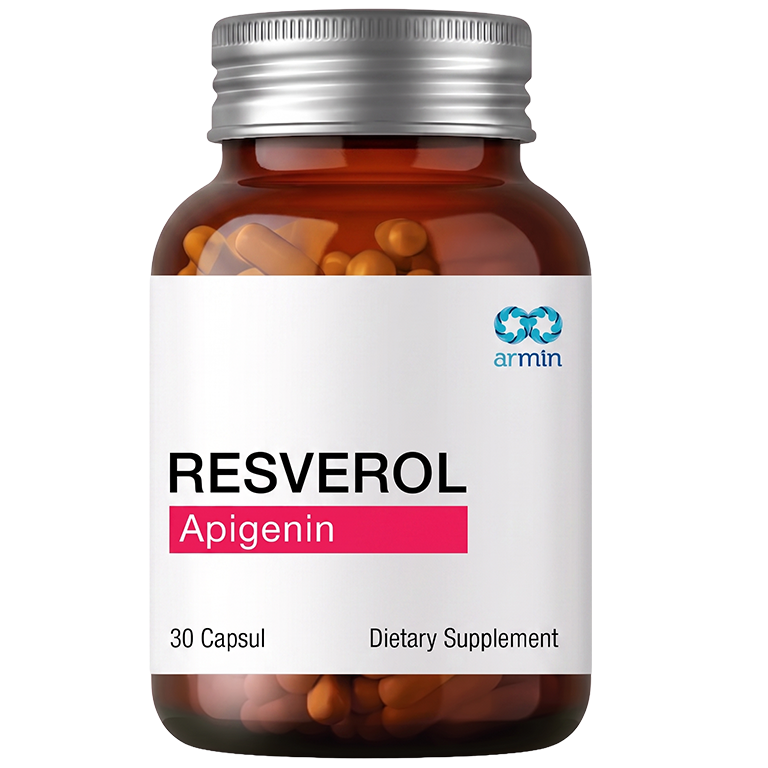 30 Soft CapsulesResverol ApigeninA dietary supplement containing resveratrol and apigenin. Manufactured to international standards under the Armin…View