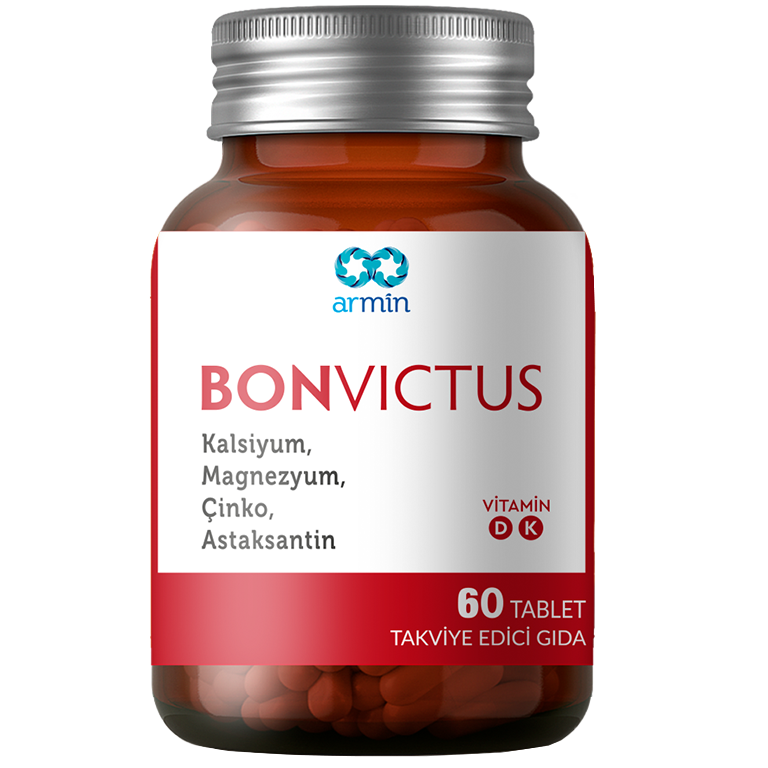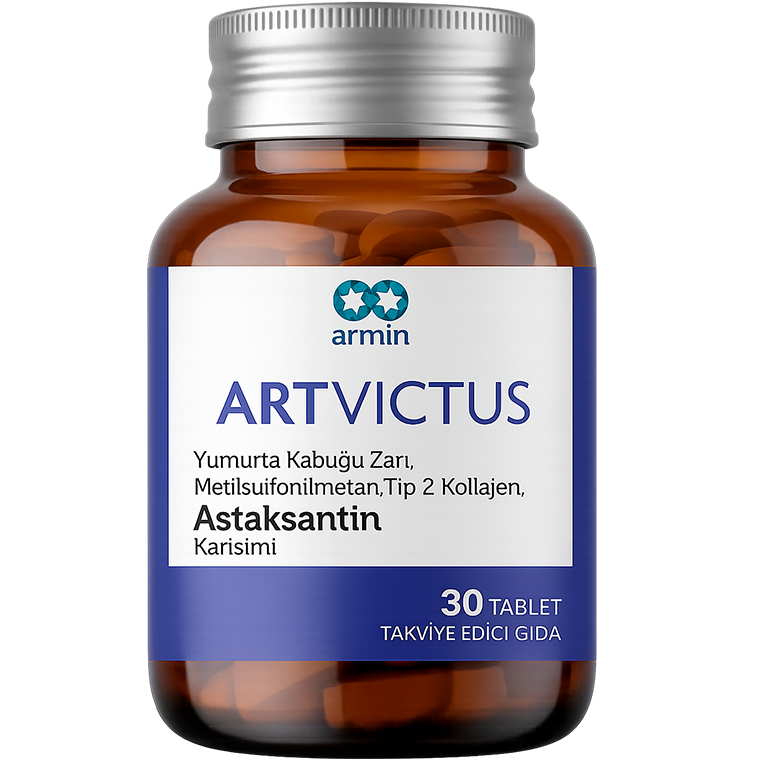
What is Astaxanthin?
Astaxanthin is a carotenoid belonging to the xanthophyll class and known for its powerful antioxidant properties. In nature, it is primarily produced by the microalga Haematococcus pluvialis and is passed on through the food chain to organisms such as salmon, shrimp, and krill, giving these organisms their characteristic red color.
HEALTH REGULATION NOTICE
Frequently Asked Questions
Astaxanthin is a red-orange carotenoid pigment produced by microalgae and marine organisms. Its chemical formula is C40H52O4, and it belongs to the xanthophyll class. It is known for its powerful antioxidant properties.
The primary natural source of astaxanthin is a microalga called Haematococcus pluvialis. Marine organisms such as salmon, shrimp, and krill, which feed on these microalgae, also contain astaxanthin, which gives them their characteristic red color.
Astaxanthin has been studied in various scientific fields due to its powerful antioxidant properties. The literature includes studies on its potential to support cellular health and its role in combating oxidative stress.
Specific information on the traditional use of astaxanthin is limited. However, the consumption of marine organisms containing astaxanthin as nutrient-rich foods is based indirectly on the intake of this compound through the diet.
Although astaxanthin is generally considered safe, it is important to consult a healthcare professional before starting any dietary supplement or new ingredient. It is especially recommended that pregnant women, breastfeeding mothers, and individuals with chronic illnesses consult a doctor. Astaxanthin is not a medication and should not be used for therapeutic purposes.