What is Biotin?
Biotin is a member of the B vitamin family and is known as a water-soluble vitamin. It occurs naturally in many foods and is found in high amounts particularly in egg yolks, milk, nuts, and certain vegetables.
Biotin plays an important role in the body’s energy metabolism. Its chemical structure enables it to function as a coenzyme that supports a range of biological functions. The scientific literature indicates that biotin deficiency can lead to various health problems.
2. Mock, D. M., & P. M. (2000). Biotin. In Modern Nutrition in Health and Disease.
3. Haller, R. G. (2004). Biotin. In Nutritional Biochemistry.
Data source: PubChem · CID 171548
HEALTH REGULATION NOTICE
Frequently Asked Questions
Biotin is a water-soluble vitamin belonging to the B vitamin family. Its chemical formula is C10H16N2O3S. It functions as a coenzyme that plays an important role in energy metabolism in the body.
Biotin is found naturally in many foods. Egg yolks, milk, nuts, and certain vegetables, in particular, are rich sources of biotin.
Biotin plays an important role in the body’s energy metabolism. Thanks to its chemical structure, it acts as a coenzyme and supports various biological functions. The scientific literature indicates that biotin deficiency can lead to various health problems.
Biotin is an essential vitamin for the body. However, it is not recommended to use supplements to treat, cure, or prevent any disease. You should always consult a healthcare professional before addressing any health concerns or taking supplements. Supplements are not a substitute for a balanced diet.
The scientific literature indicates that biotin deficiency can lead to various health problems. However, specific symptoms and the severity of deficiency can vary from person to person. If you have concerns about biotin supplementation or deficiency, it is best to consult a healthcare professional. It is especially important for pregnant women, breastfeeding women, or individuals with chronic conditions to consult a doctor.
Products Containing This Active Ingredient
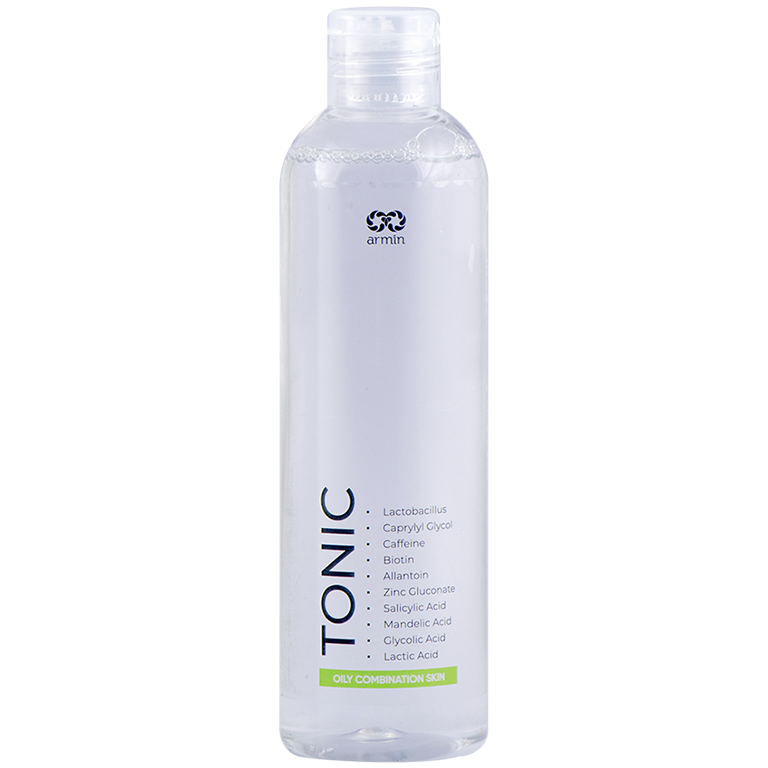 250 ml TonicArmin Tonic for Oily and Combination SkinFormulated for oily and combination skin, Armin Tonic helps prepare the skin for skincare and gives it a smooth, matte…View
 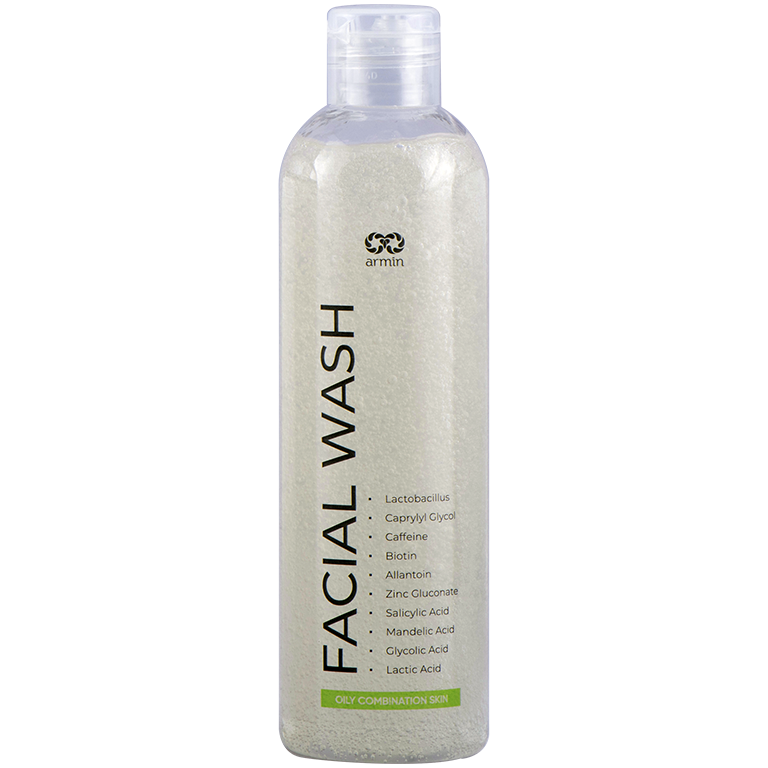 250 ml GelArmin Facial Cleansing Gel for Oily and Combination SkinArmin Facial Cleansing Gel for Oily & Combination Skin; formulated to gently cleanse the skin as the first step in your…View