
What is Caffeine?
Caffeine is a natural stimulant found primarily in coffee, tea, cocoa, and some energy drinks. In plants, it is typically present as a defense mechanism and can serve to repel insects.
Caffeine is a compound belonging to the methylxanthine class. With the chemical formula C8H10N4O2, caffeine is a compound that acts on the central nervous system. In the scientific literature, caffeine is generally recognized for its stimulant effects, and its consumption is widespread throughout the world.
2. Nehlig, A. (2016). Interindividual differences in caffeine metabolism and responses to caffeine.
3. Fredholm, B. B., et al. (1999). Actions of caffeine in the brain with special reference to factors that contribute to its widespread use.
Data source: PubChem · CID 2519
HEALTH REGULATION NOTICE
Frequently Asked Questions
Caffeine is a naturally occurring alkaloid and a compound belonging to the methylxanthine class. Its chemical formula is C8H10N4O2. It is known as a stimulant that acts on the central nervous system.
Caffeine occurs naturally in various plants, primarily coffee, tea, and cocoa, as well as in guarana and kola nuts. It is also found in some energy drinks.
It is believed that caffeine in plants serves as a defense mechanism, particularly by repelling insects.
In the scientific literature, caffeine is primarily known for its stimulating effects on the central nervous system. It is a compound widely consumed around the world.
Due to its stimulating effect, caffeine may cause symptoms such as restlessness, sleep problems, or heart palpitations in some people. It is recommended to avoid excessive consumption. In particular, pregnant women, breastfeeding mothers, people with heart conditions, or those taking certain medications are advised to consult a healthcare professional before consuming caffeine. Products containing caffeine are not a substitute for medication.
Products Containing This Active Ingredient
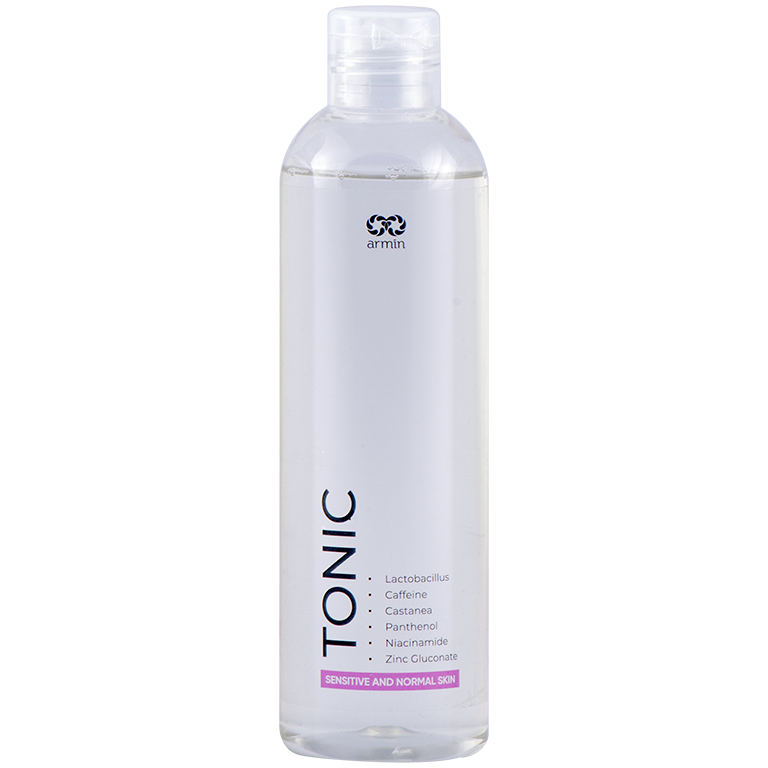 250 ml TonicArmin Tonic for Normal and Sensitive SkinFormulated for normal and sensitive skin, Armin Tonic helps gently cleanse the skin, support its moisture balance, and…View
 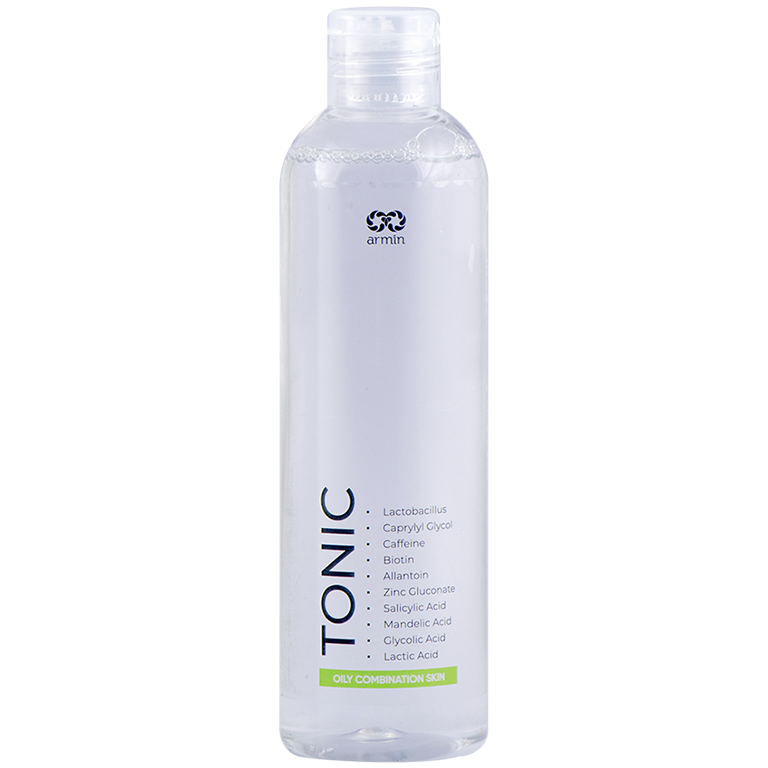 250 ml TonicArmin Tonic for Oily and Combination SkinFormulated for oily and combination skin, Armin Tonic helps prepare the skin for skincare and gives it a smooth, matte…View
 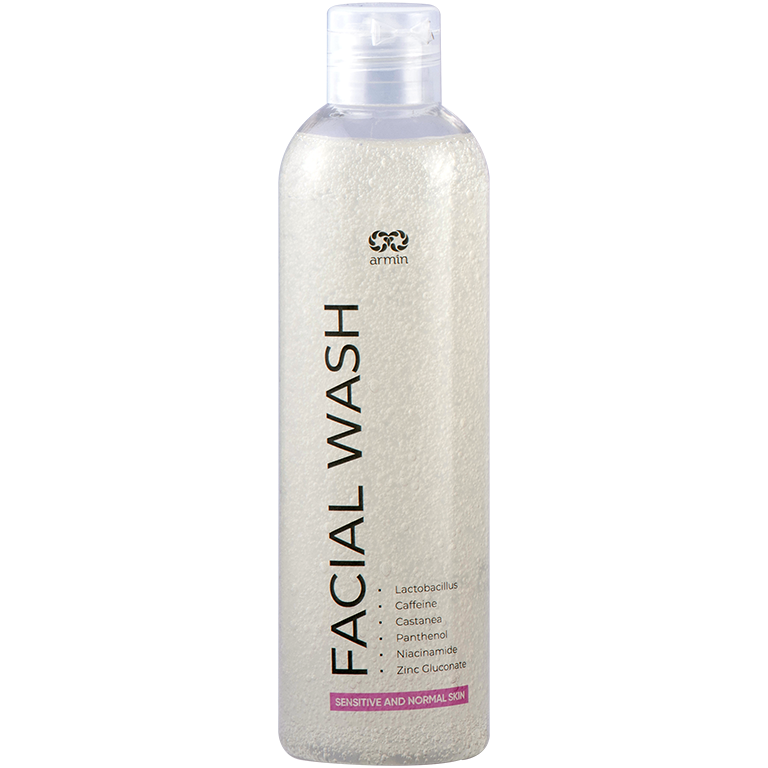 250 ml GelArmin Facial Cleansing Gel for Normal SkinA facial wash gel that gently cleanses sensitive and normal skin and prepares the skin for skincare.View
 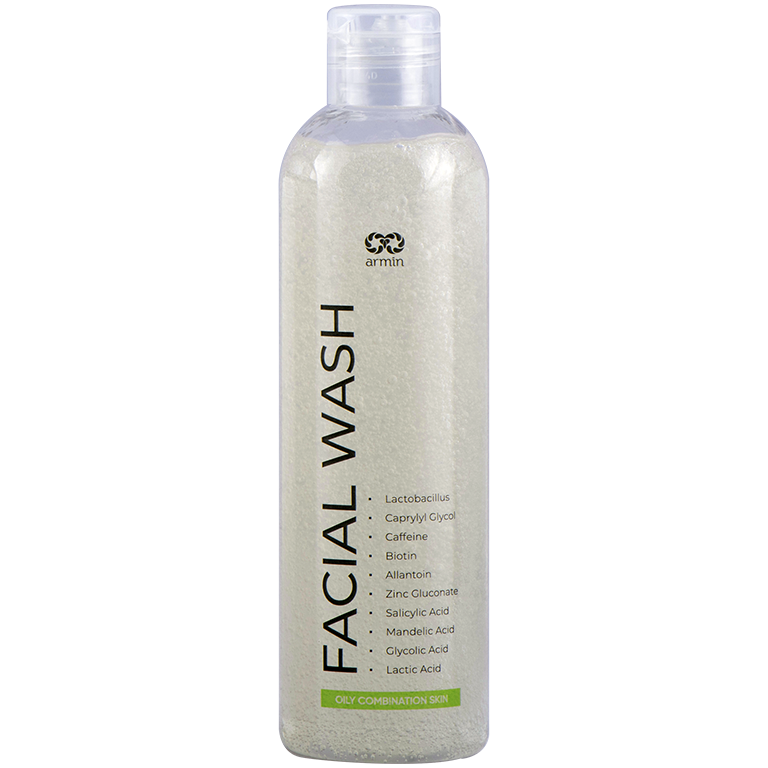 250 ml GelArmin Facial Cleansing Gel for Oily and Combination SkinArmin Facial Cleansing Gel for Oily & Combination Skin; formulated to gently cleanse the skin as the first step in your…View