
What is Choline?
Choline is a water-soluble essential nutrient classified similarly to B vitamins. It is a building block of cell membrane phospholipids and the neurotransmitter acetylcholine. It is found in high concentrations naturally in egg yolks and liver.
HEALTH REGULATION NOTICE
Frequently Asked Questions
Choline is a water-soluble essential nutrient and is classified similarly to the B vitamins. Its chemical formula is C5H14NO. It is a building block of phospholipids—which are key components of cell membranes—and of the neurotransmitter acetylcholine, which plays a role in nerve transmission.
Choline is found in high amounts naturally, particularly in animal sources such as egg yolks and liver. It is also found in foods such as soy and meat.
Choline plays a key role in the body, primarily in maintaining the structural integrity of cell membranes and supporting nervous system function. By participating in the synthesis of the neurotransmitter acetylcholine, it contributes to communication between nerve cells.
Choline can be obtained in sufficient amounts through a balanced diet. Foods such as egg yolks and liver are good sources. Before using choline supplements or products high in choline, it is recommended to consult a healthcare professional, especially if you have any existing health conditions or are taking medications. Supplements are not a substitute for medication.
In the scientific literature, research is being conducted on the role of choline in various areas, such as its potential effects on cell membrane health, brain development, and cognitive functions. Additionally, its importance in nerve transmission is one of the focal points of these studies.
Products Containing This Active Ingredient
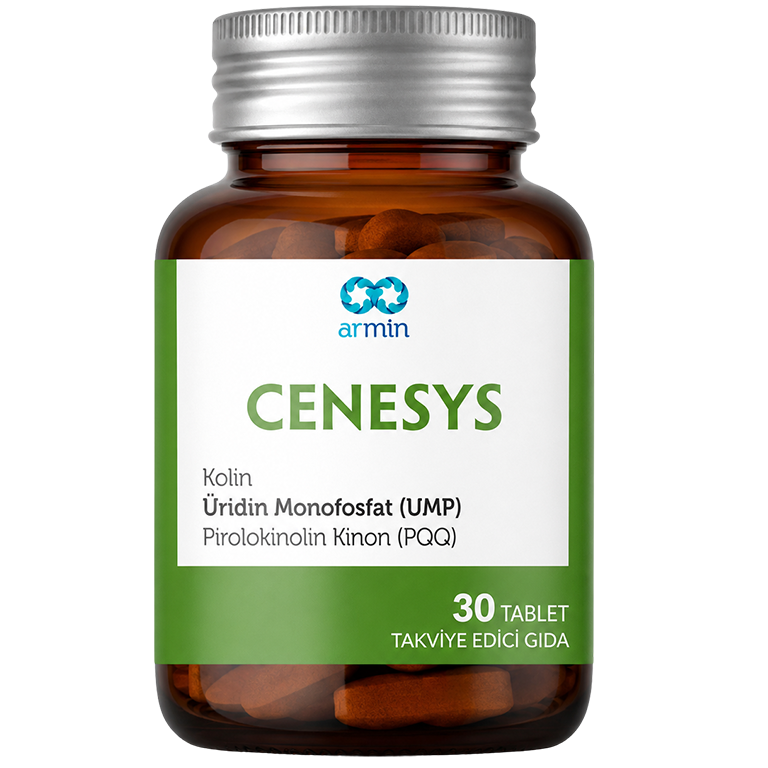 30 TabletsCenesysCenesys is a dietary supplement containing choline, uridine monophosphate (UMP), and pyrroloquinoline quinone (PQQ)…View
 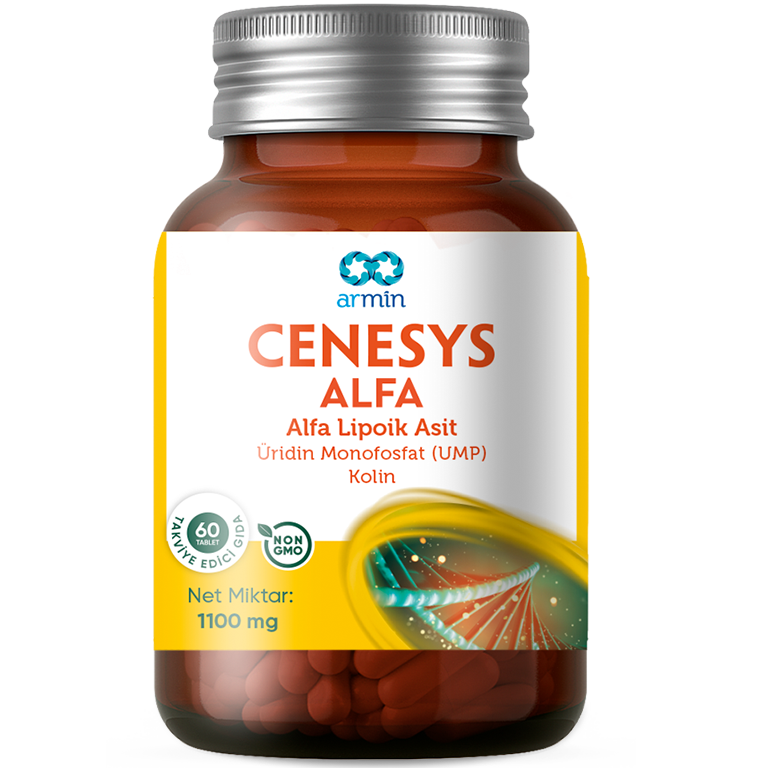 60 TabletsCenesys ALFACenesys ALFA is a dietary supplement containing magnesium citrate, alpha-lipoic acid, choline, and uridine…View