
What is Folate?
Folate (vitamin B9) is a water-soluble vitamin; its synthetic form is folic acid, and its biologically active form is methylfolate. It occurs naturally in green leafy vegetables and legumes. In supplements, it can be found in forms such as calcium-L-methylfolate.
HEALTH REGULATION NOTICE
Frequently Asked Questions
Folate is one of the B vitamins and is also known as vitamin B9. It plays a role in vital processes such as DNA synthesis and cell division. Its chemical formula is C19H19N7O6. It is a water-soluble vitamin, and its biologically active form is methylfolate. Its synthetic form is called folic acid.
Folate is found naturally in many foods. Green leafy vegetables (such as spinach and cabbage), legumes (such as lentils and chickpeas), and citrus fruits are particularly rich sources of folate.
While folate refers to the natural form of vitamin B9, folic acid is the synthetic (laboratory-produced) form of this vitamin. The biologically active form of folate in the body is methylfolate. Supplements and fortified foods typically contain folic acid, but the body must convert it into its active form. Forms such as calcium-L-methylfolate may also be found in supplements.
Folic acid plays a critical role in essential cellular processes in the body, such as DNA synthesis, cell division, and cell renewal. It also contributes to the formation of red blood cells and is involved in homocysteine metabolism. Because of these functions, it is important for overall health and cellular health.
It is important to consult a healthcare professional about folate supplements or products containing folate. Folate intake may be particularly important for people with certain health conditions, as well as for pregnant or breastfeeding women. Folate supplements are not a substitute for a balanced diet and should not be used in place of medication.
Products Containing This Active Ingredient
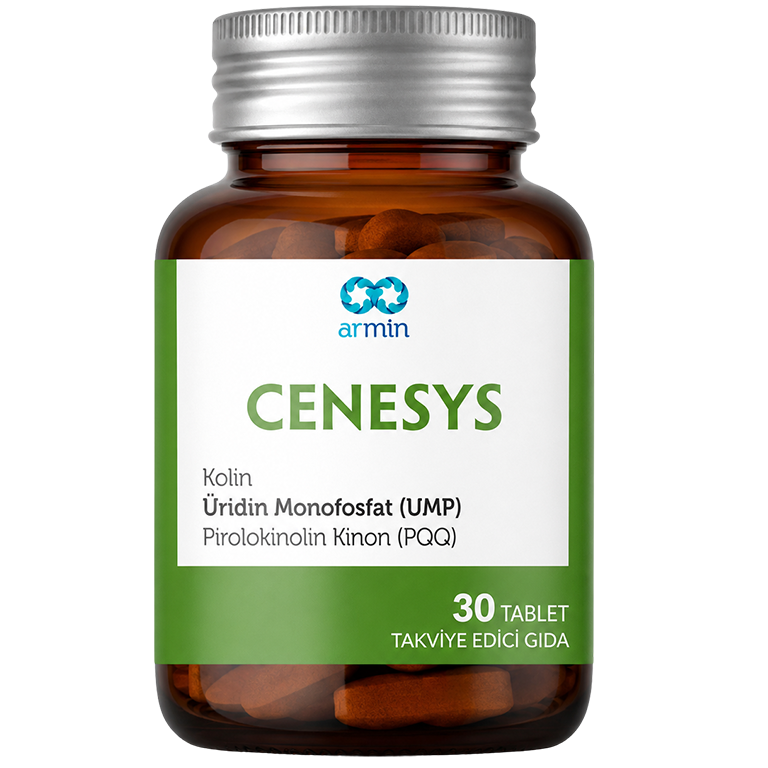 30 TabletsCenesysCenesys is a dietary supplement containing choline, uridine monophosphate (UMP), and pyrroloquinoline quinone (PQQ)…View
 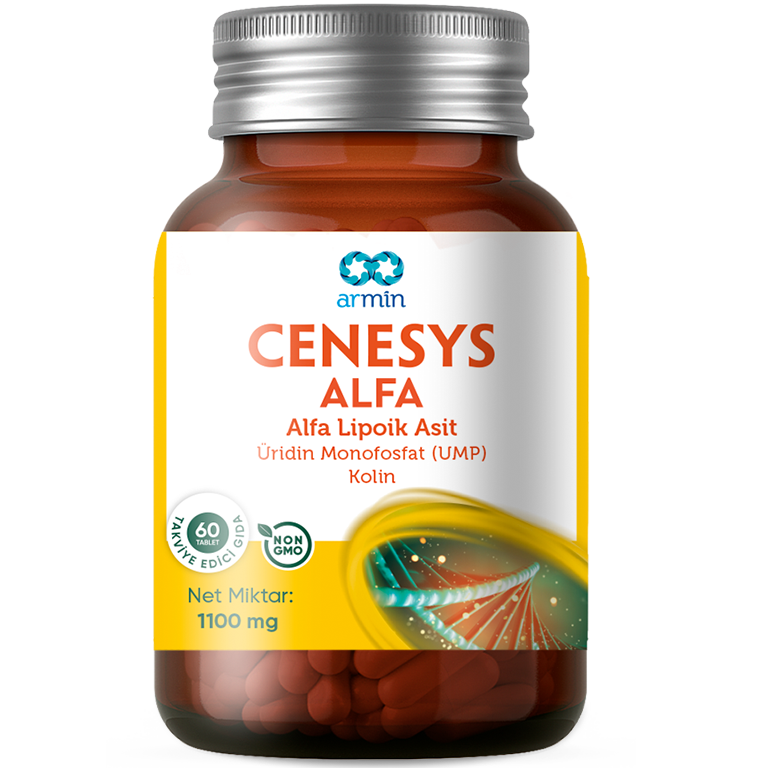 60 TabletsCenesys ALFACenesys ALFA is a dietary supplement containing magnesium citrate, alpha-lipoic acid, choline, and uridine…View