
What is Ginger?
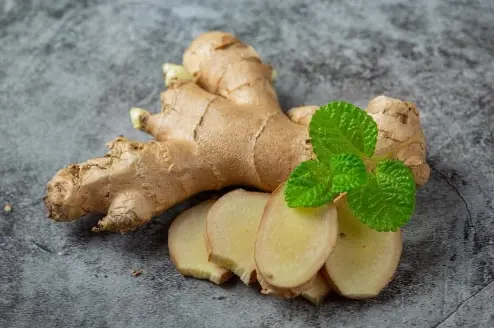
Ginger is the rhizome (underground stem) of a perennial plant of the Zingiberaceae family, scientifically named Zingiber officinale. Of Asian origin, it is widely cultivated in South and Southeast Asia and has been used throughout history both as a culinary spice and in traditional medicine.
Ginger rhizomes have a pungent, aromatic character and contain various bioactive compounds, including phenolic compounds such as gingerols, shogaols, paradols and zingerone. These compounds give ginger its distinctive taste and aroma.
Chemically, the main active compounds of ginger are the gingerols, with [6]-gingerol being the most abundant. In the scientific literature, ginger is among the most studied botanicals for digestive comfort and for nausea — including motion sickness and pregnancy-related nausea. Research has also examined its antioxidant and anti-inflammatory properties and its traditional use for joint comfort. These reflect areas of scientific and traditional study.
2. Anh, N. T., et al. (2015). Chemical Constituents of Ginger (Zingiber officinale Roscoe). *Journal of Chemistry*, *2015*, 1-7.
3. Bode, A. M., & Dong, Z. (2011). The multifaceted roles of curcumin in cancer prevention and treatment. *Current Pharmaceutical Design*, *17*(30), 3353-3369.
HEALTH REGULATION NOTICE
Frequently Asked Questions
Ginger is a spice and traditional ingredient derived from the underground stem—known as the rhizome—of the plant Zingiber officinale. It is native to Asia and has been used for centuries in both cooking and traditional medicinal practices.
Ginger is obtained from the rhizome of the plant Zingiber officinale, which belongs to the Zingiberaceae family. It is widely cultivated in South and Southeast Asia.
The primary bioactive compounds in ginger are phenolic compounds, particularly gingerols. The chemical formula for [6]-gingerol, the most abundant gingerol, is C17H26O6. Other related compounds include shogaols, paradols, and zingerone.
Scientific literature shows that ginger has been extensively studied for its effects on digestive comfort and for alleviating nausea, including motion sickness and nausea associated with pregnancy. Research has also explored its antioxidant and anti-inflammatory properties.
Ginger is a natural compound and a spice, not a pharmaceutical drug or medicine. Supplements containing ginger are not intended to diagnose, treat, cure, or prevent any disease and should not be considered a substitute for medical treatment or a balanced diet. Always consult your doctor if you have any health condition.
Although ginger is generally recognized as safe for culinary use, it is advisable to consult a healthcare professional before using it, especially if you are pregnant, breastfeeding, have a medical condition, or are taking medications. They can provide personalized advice based on your health status.
Products Containing This Active Ingredient
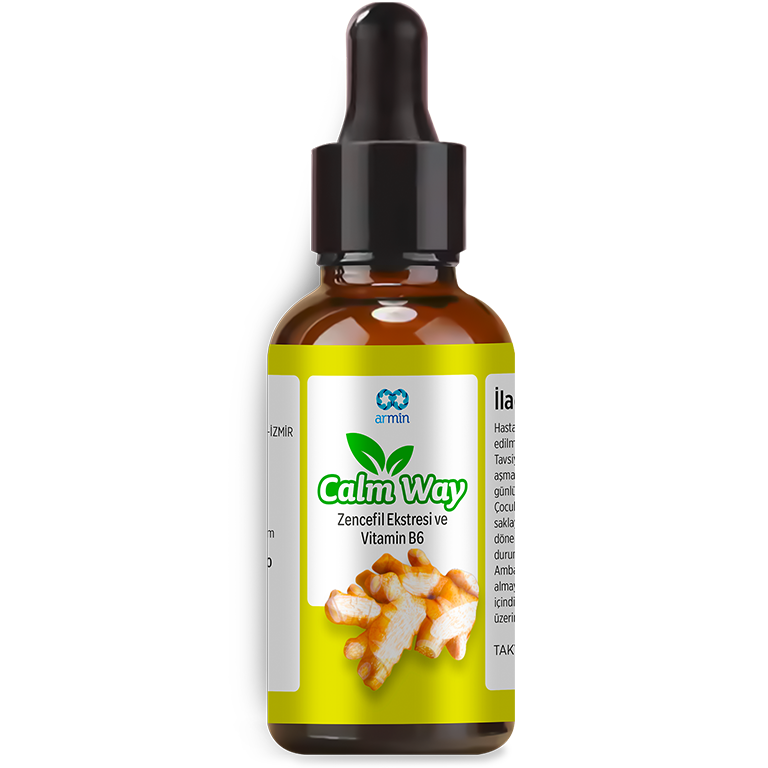 30 ml DropsCalm WayCalm Way is a liquid dietary supplement that combines ginger extract with vitamin B6 in drop form and is suitable for…View