
What is Magnesium Bisglycinate?
Magnesium bisglycinate (magnesium diglycinate) is a form of magnesium in which the mineral is chelated with two glycine molecules. Due to its chelated structure, it is one of the gentler forms of magnesium commonly used in supplements.
HEALTH REGULATION NOTICE
Frequently Asked Questions
Magnesium bisglycinate is a compound in which the mineral magnesium is chelated with two glycine amino acid molecules. Its chemical formula is C4H8MgN2O4. Its chelated structure makes it a popular choice in supplements and a form of magnesium that is gentler on the stomach.
Magnesium bisglycinate is a chelated form of magnesium and the amino acid glycine. This compound is derived from sources of magnesium and glycine.
The key difference with magnesium bisglycinate is its chelated form. This structure may help magnesium be better absorbed in the intestines and may reduce the risk of stomach upset in some people. For this reason, it is often recommended for those looking for a gentle magnesium supplement.
Research on magnesium bisglycinate has generally focused on its potential to support various functions of magnesium in the body. The scientific literature has examined magnesium’s role in areas such as muscle function, nervous system health, and energy production. Studies have been conducted on the efficacy of magnesium bisglycinate in these areas and the advantages of its absorption compared to other forms.
As with any magnesium supplement, it is important to consult a healthcare professional before taking magnesium bisglycinate. In particular, people with chronic conditions such as kidney disease, pregnant or breastfeeding women, and those taking regular medication are advised to consult their doctors. Magnesium supplements are not a substitute for medication and cannot replace a balanced diet.
Products Containing This Active Ingredient
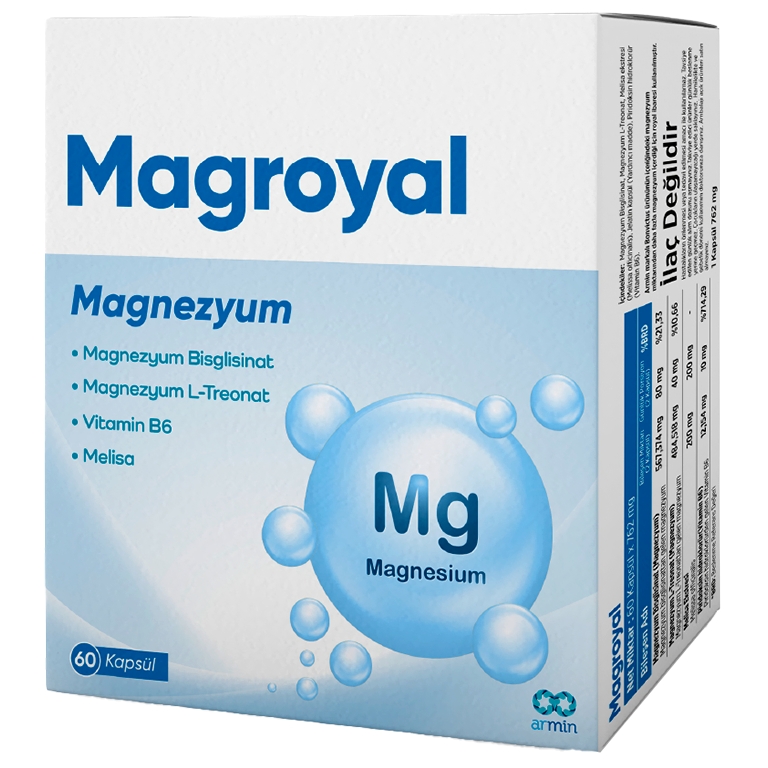 60 CapsulesMagroyalMagroyal is a dietary supplement that combines two different forms of magnesium (magnesium bisglycinate and magnesium…View