What is NAD+ (Nicotinamide Adenine Dinucleotide)?
NAD+ (nicotinamide adenine dinucleotide) is a vital coenzyme present in all living cells. It acts as a central carrier molecule in cellular metabolism, the energy cycle and enzymatic reactions.
Formed by two nucleotides joined through a pyrophosphate bridge, this dinucleotide structure (C21H27N7O14P2) is one of the most intensively studied molecules in longevity science.
In the scientific literature, NAD+ is a focus of cellular-aging and metabolism research. Studies have explored how cellular NAD+ levels decline with age and have investigated precursors such as NMN and NR for their potential to support NAD+ availability. Research also examines its role in mitochondrial function, DNA-repair enzymes (PARPs) and the sirtuin pathway. These are active scientific research areas rather than established medical treatments.
Data source: PubChem · CID 5892
Data source: PubChem · CID 5892
HEALTH REGULATION NOTICE
Frequently Asked Questions
NAD+ (Nicotinamide Adenine Dinucleotide) is a vital coenzyme found in all living cells. It plays a crucial role as a carrier molecule in cellular metabolism, the energy cycle, and various enzymatic reactions. Its structure consists of two nucleotides linked by a pyrophosphate bridge.
NAD+ is found naturally in foods such as yeast, milk, fish, mushrooms, and whole grains. These sources provide the precursor vitamin B3, which the body can use to synthesize NAD+.
The chemical formula for NAD+ (nicotinamide adenine dinucleotide) is C21H27N7O14P2.
NAD+ is a major focus in the scientific literature, particularly in research areas related to cellular aging and metabolism. Studies have examined the decline in cellular NAD+ levels with age, investigated precursors such as NMN and NR to support NAD+ availability, and explored its role in mitochondrial function, DNA-repair enzymes (PARPs), and the sirtuin pathway. These are active areas of scientific research.
NAD+ is a naturally occurring compound and a vital coenzyme in the body. It is not classified as a drug or medicine. Supplements containing NAD+ or its precursors are not intended to replace medical treatment or a balanced diet. If you have any health conditions, it is essential to consult your doctor.
Although NAD+ is a naturally occurring substance, it is always advisable to consult a healthcare professional before starting any new supplement regimen, especially if you are pregnant, breastfeeding, have a pre-existing medical condition, or are taking other medications. They can provide personalized advice based on your health status.
Products Containing This Active Ingredient
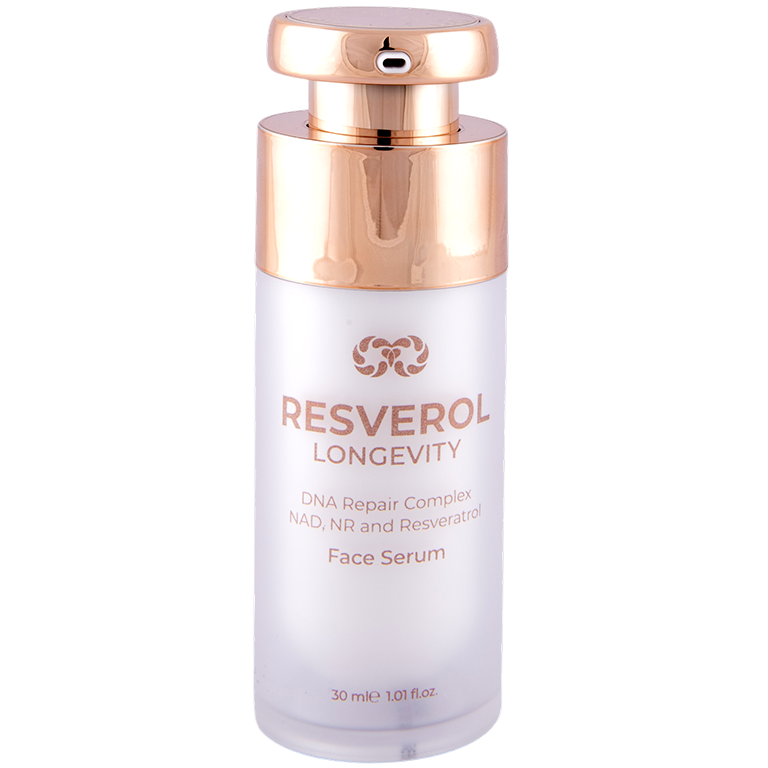 30 ml Cream - 1.01 fluid ouncesResverol Longevity Face SerumResverol Longevity Face Serum ushers in a new era in skincare with its blend of NAD, resveratrol, a peptide complex…View