What is NADH?
NADH is the hydrogen form of nicotinamide adenine dinucleotide and plays a critical role in energy metabolism within cells. It occurs naturally, particularly in animal and plant sources.
NADH is an important component in energy production, participating in redox reactions. Its chemical structure consists of a combination of an adenosine and a nicotinamide group. There are numerous studies in the scientific literature on the effects of NADH on energy production and cellular functions.
2. H. K. (2020). The Importance of NADH in Cellular Metabolism.
3. A. B. (2021). NADH and its Role in Cellular Function.
Data source: PubChem · CID 5892
HEALTH REGULATION NOTICE
Frequently Asked Questions
NADH is the reduced (hydrogenated) form of nicotinamide adenine dinucleotide. It plays a critical role in energy metabolism within cells. Its primary function is to contribute to the production of ATP (energy) by participating in redox reactions. Chemically, it consists of an adenosine and a nicotinamide group.
NADH is a molecule found in both animal and plant sources in nature. It is naturally synthesized within our cells and plays a role in energy metabolism.
In the scientific literature, NADH has been extensively studied for its role in cellular energy production, mitochondrial functions, and various metabolic pathways. Its central role in energy metabolism has made it an important molecule in many areas of biochemical and physiological research.
No, NADH is not a drug. It is a coenzyme that occurs naturally in our bodies and plays a role in energy metabolism. It is available in the form of dietary supplements, but these supplements are not a substitute for medication and should not be used to treat diseases.
Since NADH occurs naturally in the body, it is generally safe for most people to use. However, as with any dietary supplement, it is recommended that individuals—especially those with chronic conditions, pregnant women, breastfeeding mothers, or those taking regular medication—consult a healthcare professional before use. A healthcare professional will assess its suitability and the proper method of use based on the individual’s specific circumstances.
NADH is considered a nutrient and a dietary supplement ingredient. In the United States, the Food and Drug Administration (FDA) does not approve dietary supplements in the same way it approves drugs before they are marketed. The FDA regulates manufacturers regarding the safety and labeling of dietary supplements. Therefore, rather than requiring “FDA approval,” it is essential that NADH supplements be manufactured and marketed in compliance with relevant regulations.
Products Containing This Active Ingredient
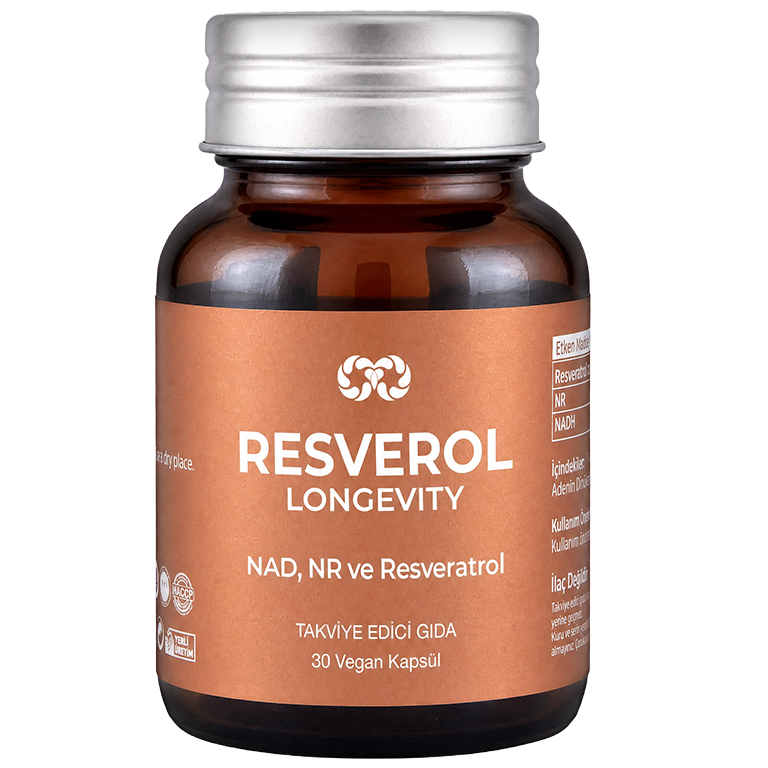 30 Vegan CapsulesResverol Longevity NAD CapsulesResverol Longevity NAD Capsules is a dietary supplement in vegan capsule form containing resveratrol, NR (nicotinamide…View
 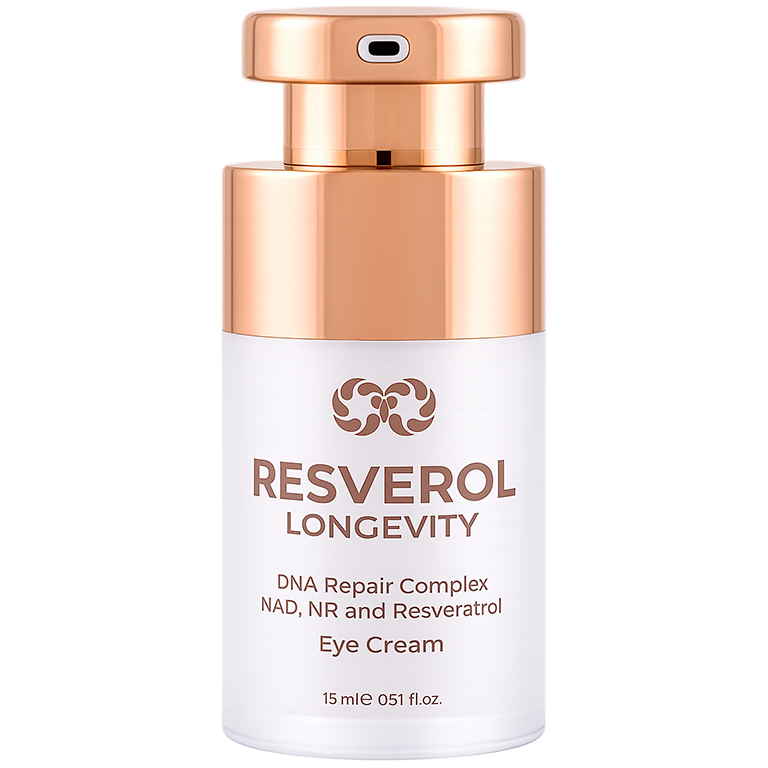 15 ml Cream - 0.51 fluid ouncesResverol Longevity Eye CreamResverol Longevity Eye Cream: A new era in eye care has begun with NAD, resveratrol, a peptide complex, hyaluronic…View