What is Niacinamide?
Niacinamide is a derivative of niacin (vitamin B3) and is a water-soluble vitamin. It occurs naturally in meat, fish, milk, eggs, and certain vegetables.
Chemically, niacinamide contains an amide group attached to a pyridine ring. This structure is a key feature that influences its biological activity. In the scientific literature, niacinamide is recognized as a compound that contributes to skin health.
2. Draelos, Z. D. (2008). Cosmetic Dermatology: Products and Procedures.
3. Hargis, J. C. (2018). The Role of Niacinamide in Skin Care.
Data source: PubChem · CID 936
HEALTH REGULATION NOTICE
Frequently Asked Questions
Niacinamide is a compound also known as vitamin B3. Its chemical formula is C6H6N2O. It is a derivative of niacin (vitamin B3) and is a water-soluble vitamin.
Niacinamide is naturally found in foods such as meat, fish, milk, eggs, and certain green vegetables.
Niacinamide has an amide group attached to the pyridine ring. This chemical structure is a key feature that influences its biological activities.
In the scientific literature, niacinamide is a compound known particularly for its potential benefits for skin health, and research is being conducted in this area.
No, niacinamide is not a medication. It is a form of vitamin B3 and can be found in foods. It may be used in supplements or cosmetic products, but it is not a substitute for medication.
Products Containing This Active Ingredient
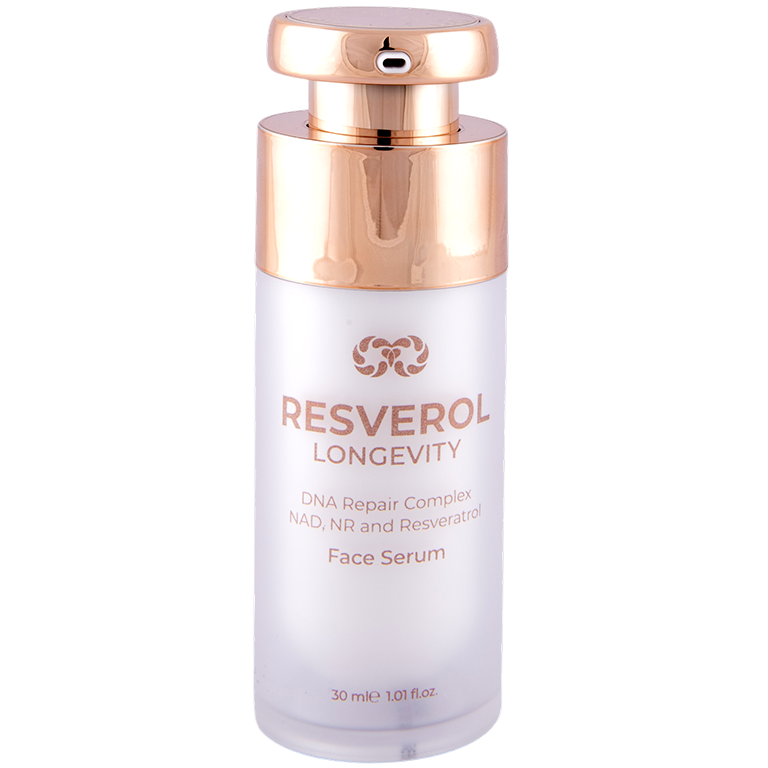 30 ml Cream - 1.01 fluid ouncesResverol Longevity Face SerumResverol Longevity Face Serum ushers in a new era in skincare with its blend of NAD, resveratrol, a peptide complex…View
 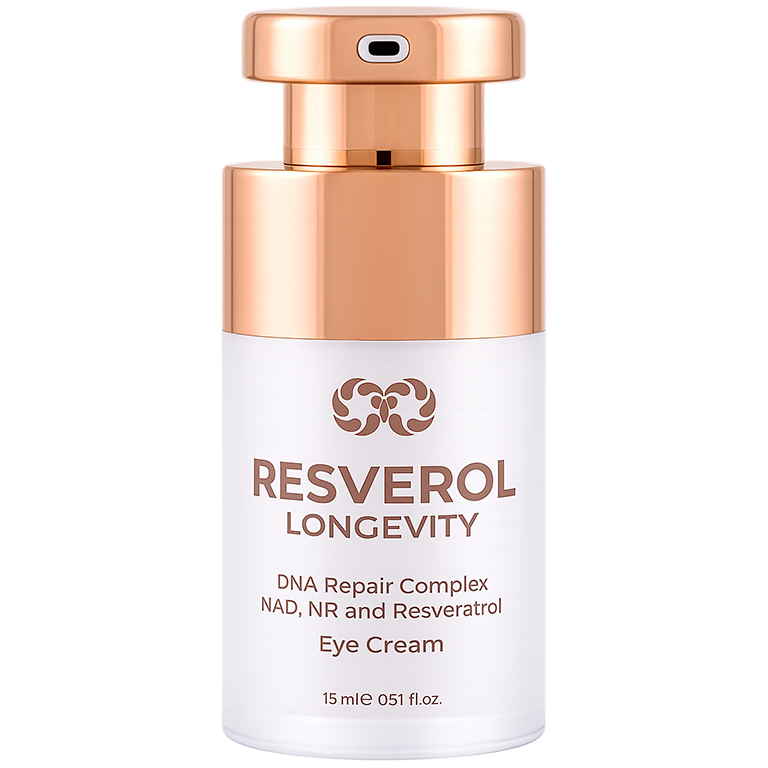 15 ml Cream - 0.51 fluid ouncesResverol Longevity Eye CreamResverol Longevity Eye Cream: A new era in eye care has begun with NAD, resveratrol, a peptide complex, hyaluronic…View
 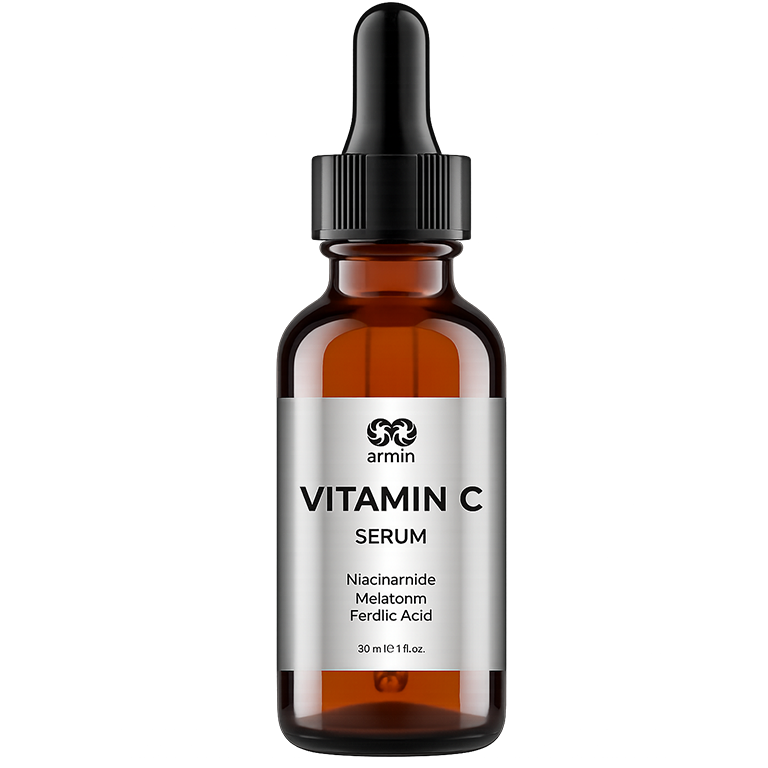 30 ml SerumArmin Vitamin C SerumA facial serum that combines vitamin C derivatives with ferulic acid, melatonin, and niacinamide to help maintain the…View
 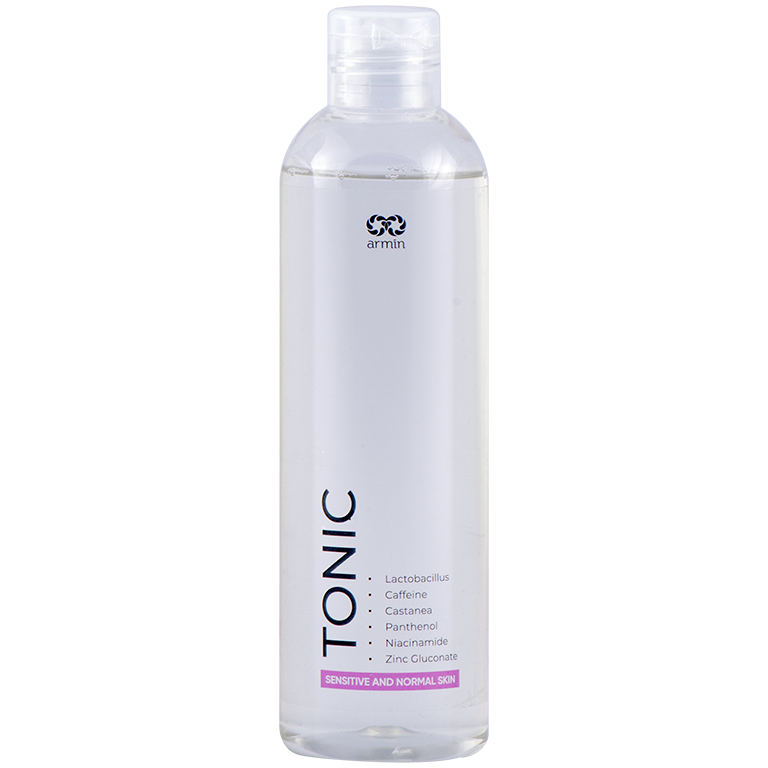 250 ml TonicArmin Tonic for Normal and Sensitive SkinFormulated for normal and sensitive skin, Armin Tonic helps gently cleanse the skin, support its moisture balance, and…View
 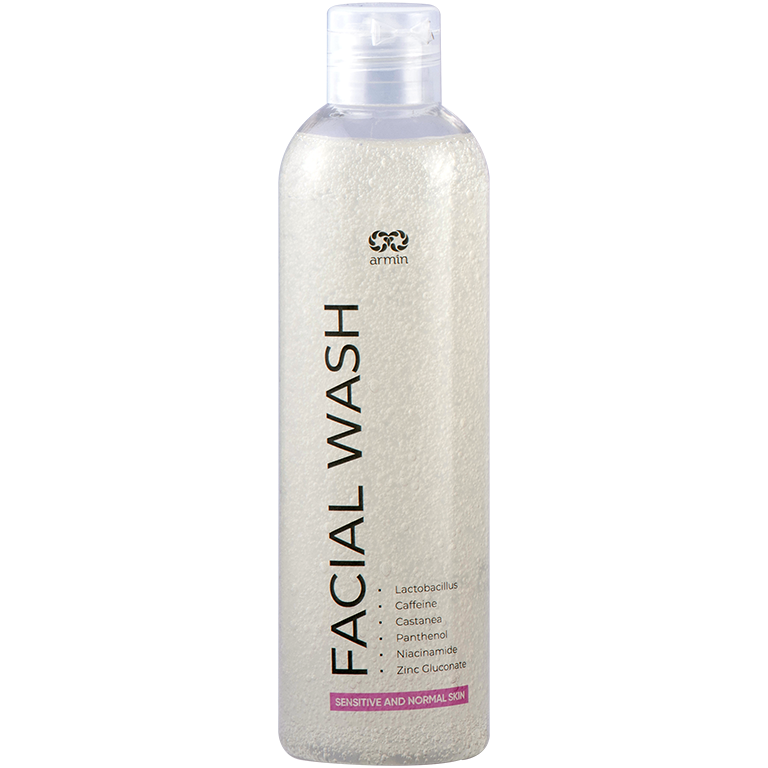 250 ml GelArmin Facial Cleansing Gel for Normal SkinA facial wash gel that gently cleanses sensitive and normal skin and prepares the skin for skincare.View