What is Quercetin?
Quercetin is a plant flavonol found widely in many fruits and vegetables, including onions, apples, green tea and berries. It is one of the most extensively researched active compounds among the natural flavonoid groups.
Known for its polyphenolic structure and yellow pigment, quercetin usually occurs in plants in glycoside forms. With the chemical formula C15H10O7, the molecule is a typical representative of the flavonol subclass.
In the scientific literature, quercetin has been studied for its antioxidant and anti-inflammatory properties. Research has explored its role in modulating the body’s histamine response (of interest in seasonal allergic reactions), in supporting cardiovascular and immune health, and — alongside other senolytic candidates — in healthy-aging research. These represent active areas of investigation rather than established medical treatments.
Anand David AV et al. Pharmacogn Rev. 2016.
Data source: PubChem · CID 5280343
Data source: PubChem · CID 5280343
HEALTH REGULATION NOTICE
Frequently Asked Questions
Quercetin is a natural plant flavonol—a type of flavonoid—characterized by its polyphenolic structure and yellow pigment. It is one of the most extensively studied compounds within the flavonoid group.
Quercetin is widely found in many fruits and vegetables. Common natural sources include onions, apple peels, green tea, berries, and capers.
Quercetin has the chemical formula C15H10O7. It is a typical representative of the flavonol subclass of flavonoids.
Scientific literature highlights research into quercetin’s antioxidant and anti-inflammatory properties. Studies have also examined its potential role in modulating the body’s histamine response, supporting cardiovascular and immune health, and its role in healthy aging research as a senolytic candidate. These areas are the subject of ongoing scientific investigation.
Quercetin is a naturally occurring chemical compound found in plants; it is not a drug or medicine. Supplements containing quercetin are not intended to diagnose, treat, cure, or prevent any disease and should not be considered a substitute for prescribed medication or a balanced diet. Always consult a healthcare professional regarding any health concerns or before making changes to your health regimen.
Although quercetin is found in common foods, it is advisable to consult a healthcare professional before taking quercetin supplements, especially if you are pregnant, breastfeeding, have a pre-existing medical condition, or are taking other medications. They can provide personalized advice based on your health status.
Products Containing This Active Ingredient
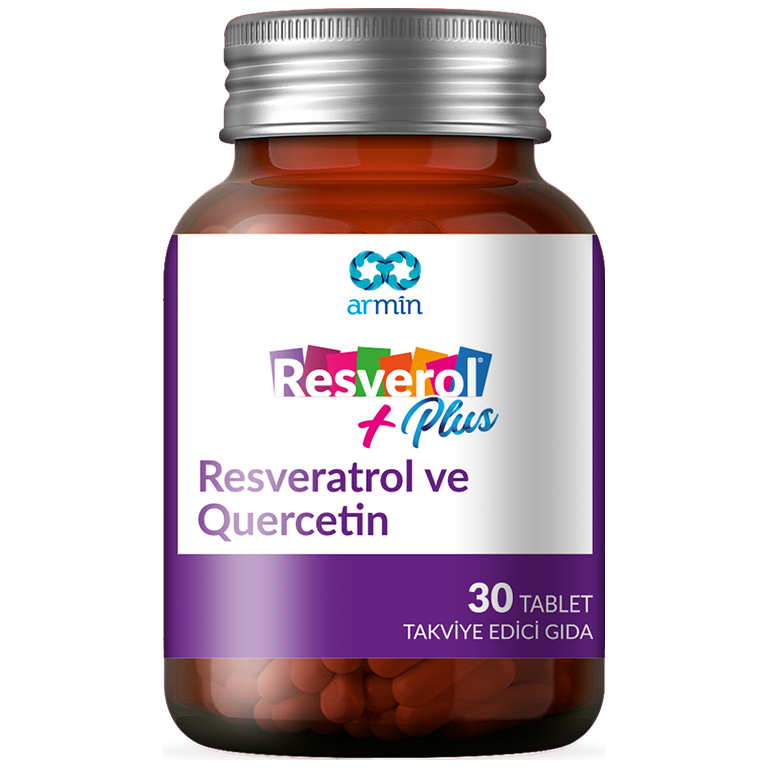 30 TabletsResverol +PlusResverol Plus is a dietary supplement containing resveratrol and quercetin. Each tablet contains vitamin C…View
 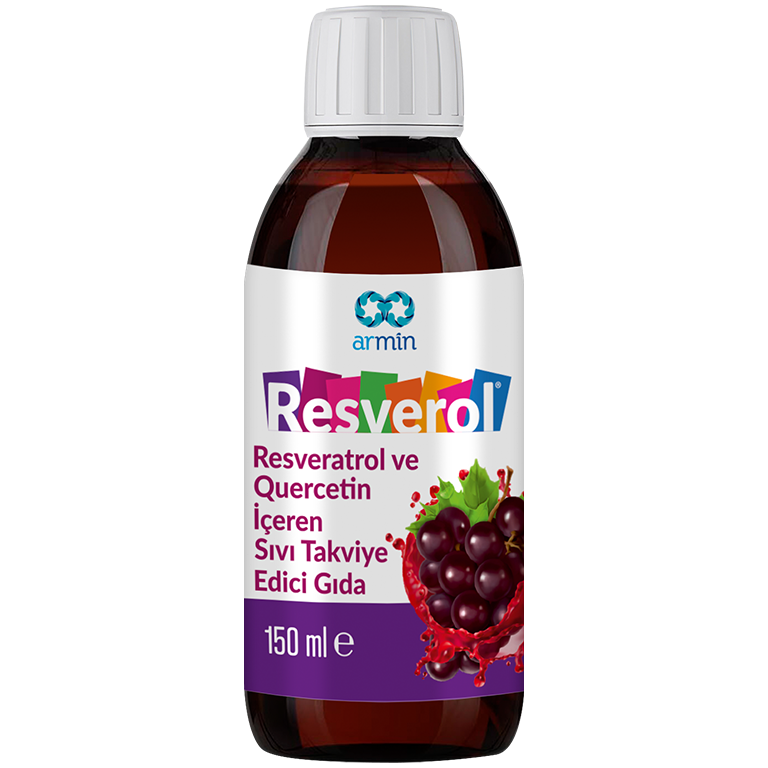 150 ml SyrupResverol SyrupResverol Syrup is a liquid dietary supplement containing resveratrol and quercetin. Each 10-ml daily dose contains…View
 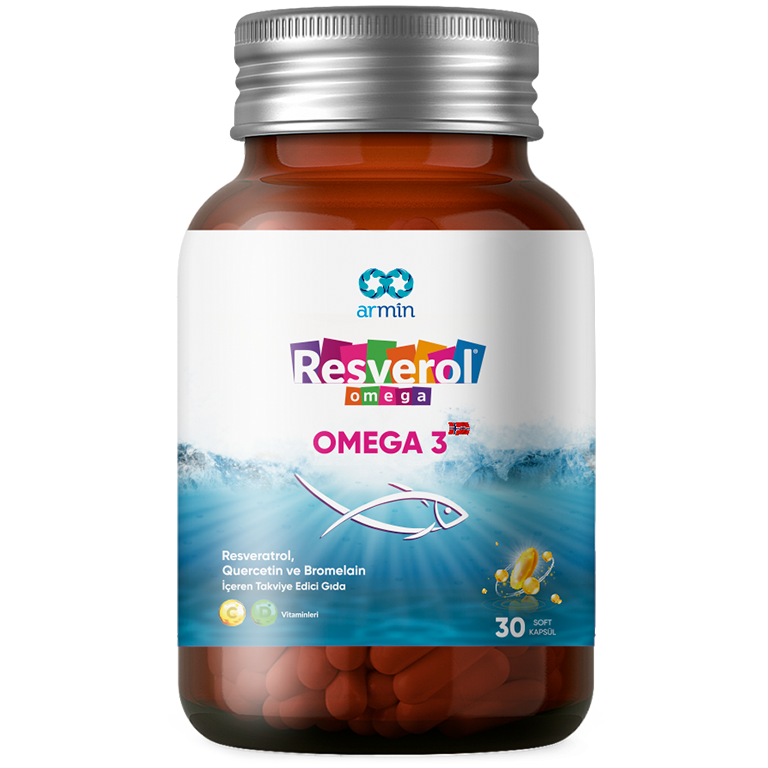 30 Soft CapsulesResverol Omega-3Resverol Omega 3 is a dietary supplement in soft capsule form that contains Omega-3 (EPA and DHA), resveratrol…View