What is Resveratrol?
Resveratrol is a polyphenolic compound naturally synthesized in red grape skins, blueberries and several plants. In nature it belongs to the phytoalexin group — molecules that plants produce to protect themselves against environmental stress.
Chemically a stilbene derivative, resveratrol occurs in both cis- and trans- isomer forms; the most widely studied form in the scientific literature is trans-resveratrol. It is present in low concentrations across a wide range of plants and is one of the most extensively researched members of the phenolic compound family.
In the scientific literature, resveratrol has been investigated primarily for its antioxidant properties and its potential role in cardiovascular and metabolic health. It is also one of the central molecules in longevity (healthy-aging) research, where studies have explored its interaction with the sirtuin proteins (SIRT1) involved in cellular energy regulation. Research has additionally examined its anti-inflammatory activity and its effects on endothelial (blood-vessel) function. These observations come from laboratory and clinical studies and represent areas of ongoing investigation rather than established medical treatments.
Gambini J et al. Oxid Med Cell Longev. 2015.
Data source: PubChem · CID 445154
Data source: PubChem · CID 445154
HEALTH REGULATION NOTICE
Frequently Asked Questions
Resveratrol is a polyphenolic compound—a type of stilbene derivative—that is naturally produced by certain plants, such as red grapes, blueberries, and peanuts. It belongs to the phytoalexin group, meaning plants produce it to defend themselves against environmental stress. The most widely studied form in the scientific literature is trans-resveratrol.
Resveratrol occurs naturally in the skins of red grapes, as well as in blueberries, peanuts, and, to a lesser extent.
The chemical formula for resveratrol is C14H12O3.
In the scientific literature, resveratrol has been studied primarily for its antioxidant properties and its potential role in cardiovascular and metabolic health. It has also been a focus of research on longevity (healthy aging), particularly regarding its interaction with sirtuin proteins (SIRT1).
Resveratrol is a naturally occurring chemical compound, not a drug or medicine. Although it is found in dietary supplements, these supplements are not a substitute for prescribed medication or a balanced diet. If you have any health condition, it is essential to consult your doctor.
Although resveratrol is generally considered safe in the amounts found in food, it is advisable to consult your doctor before taking resveratrol supplements, especially if you are pregnant, breastfeeding, have a pre-existing medical condition, or are taking other medications. Your doctor can provide personalized advice based on your health status.
Products Containing This Active Ingredient
 30 / 60 CapsulesResverol Urolithin AResverol Urolithin A is a dietary supplement containing Urolithin A and Resveratrol. Each capsule contains 500 mg of…View
 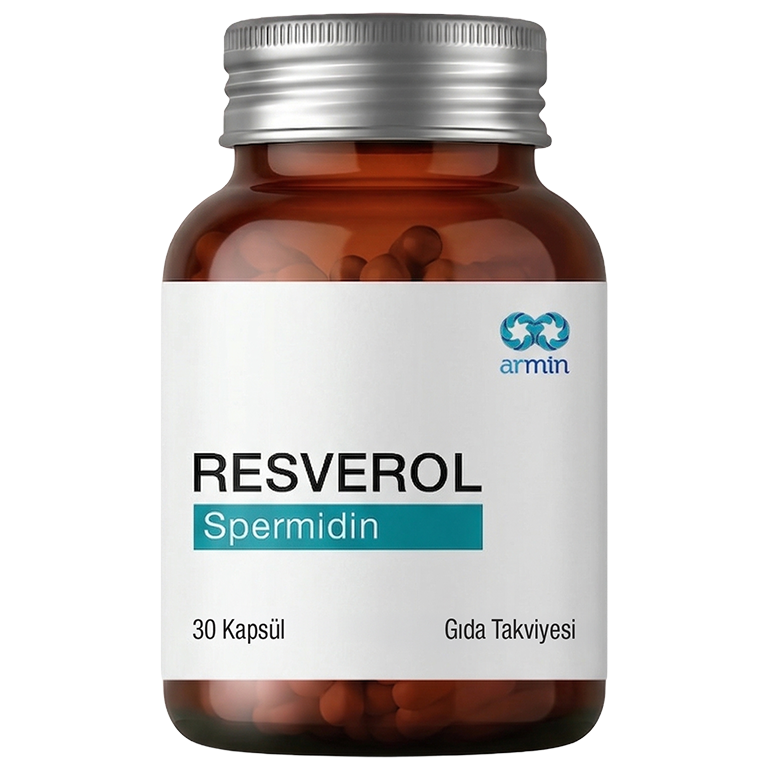 30 Soft CapsulesResverol SpermidineResverol Spermidin is Turkey’s first approved spermidine dietary supplement, containing spermidine-rich wheat germ…View
 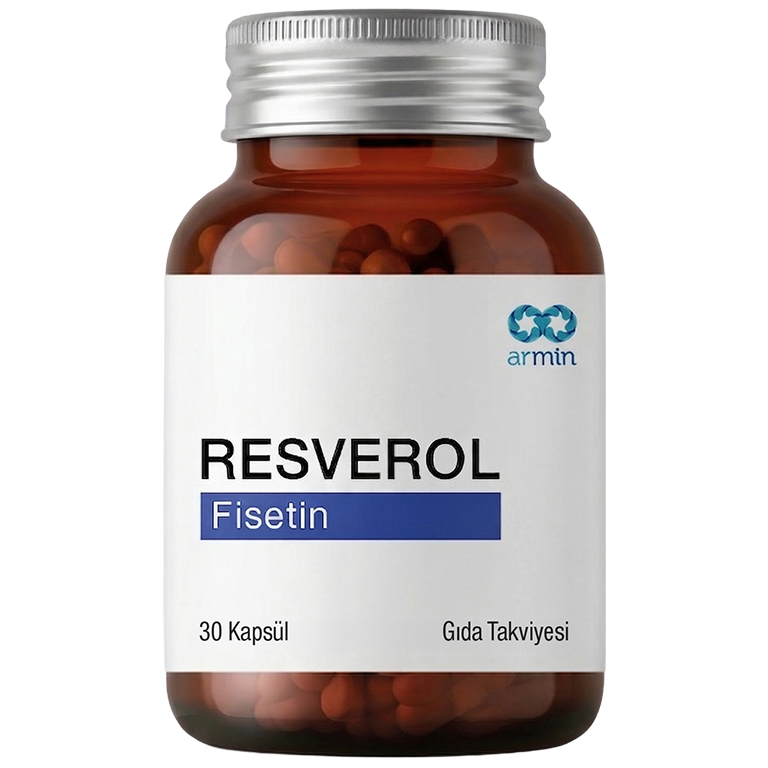 30 CapsulesResverol FisetinResverol Fisetin is a dietary supplement containing resveratrol and fisetin. Each capsule contains 250 mg of…View
 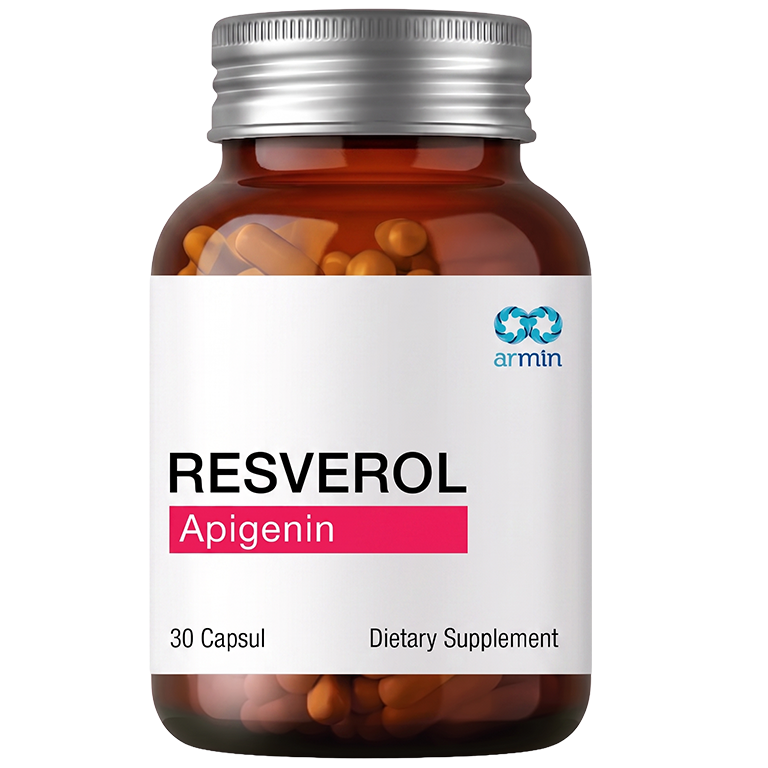 30 Soft CapsulesResverol ApigeninA dietary supplement containing resveratrol and apigenin. Manufactured to international standards under the Armin…View
 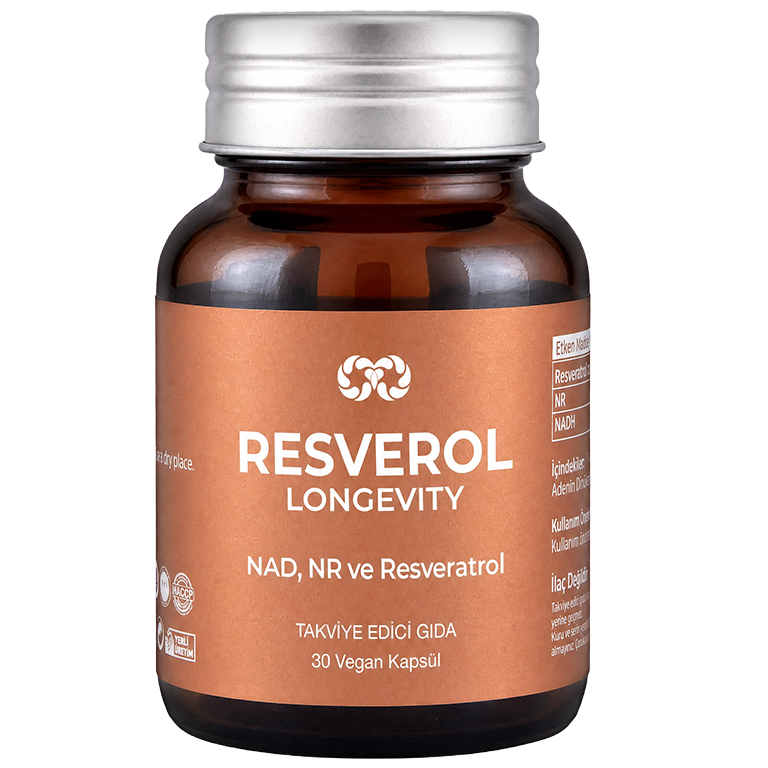 30 Vegan CapsulesResverol Longevity NAD CapsulesResverol Longevity NAD Capsules is a dietary supplement in vegan capsule form containing resveratrol, NR (nicotinamide…View
 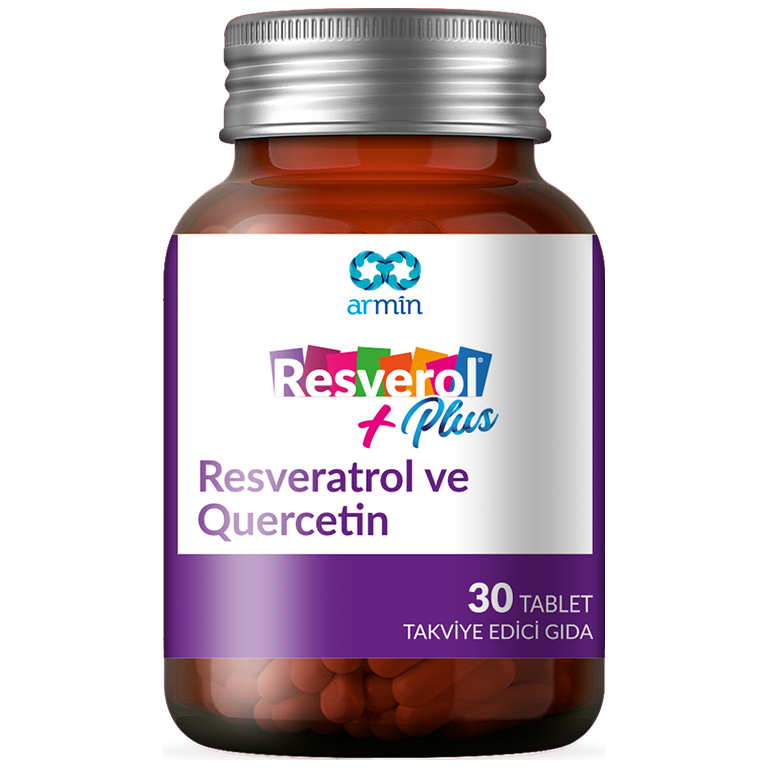 30 TabletsResverol +PlusResverol Plus is a dietary supplement containing resveratrol and quercetin. Each tablet contains vitamin C…View
 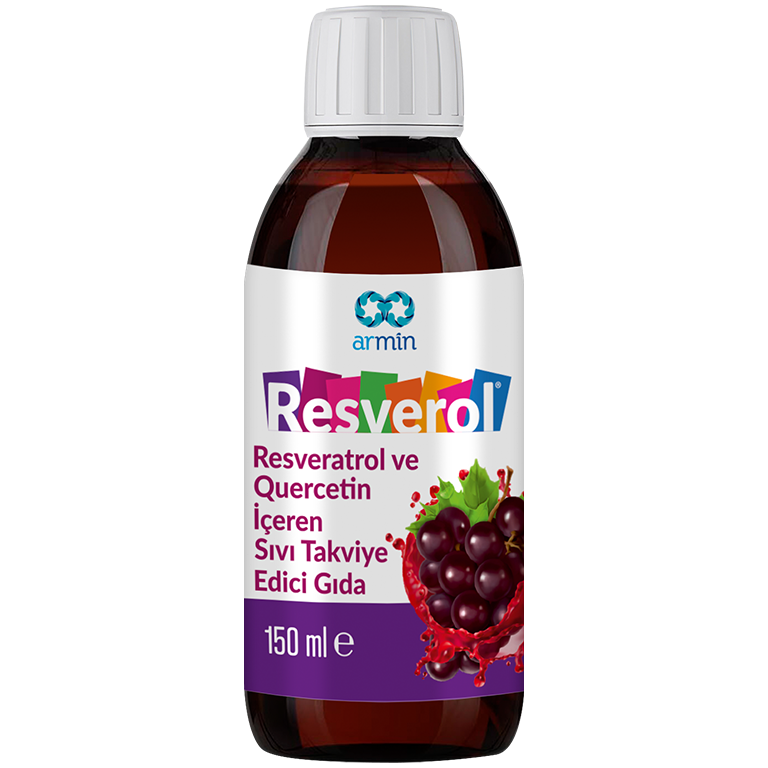 150 ml SyrupResverol SyrupResverol Syrup is a liquid dietary supplement containing resveratrol and quercetin. Each 10-ml daily dose contains…View
 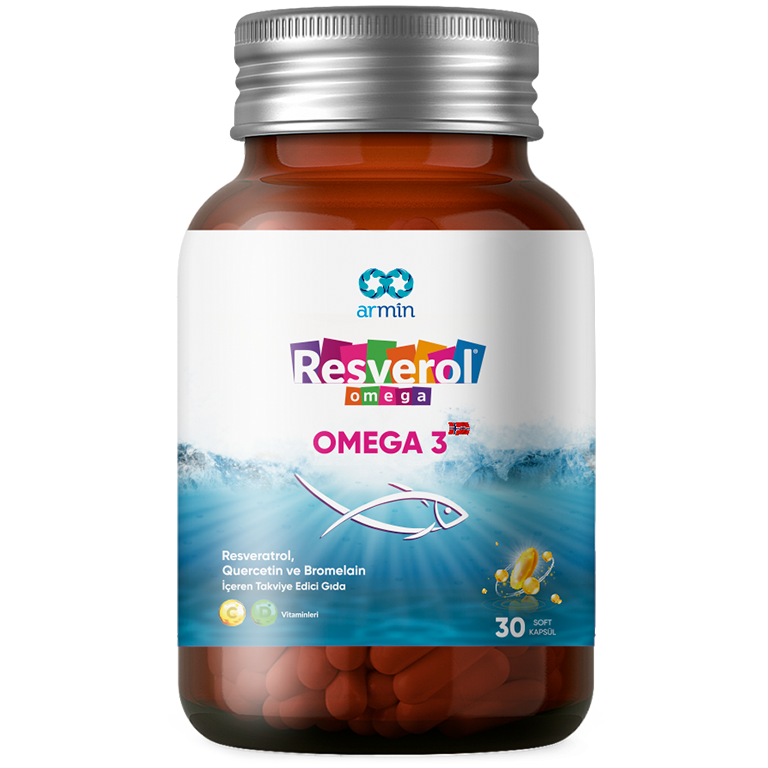 30 Soft CapsulesResverol Omega-3Resverol Omega 3 is a dietary supplement in soft capsule form that contains Omega-3 (EPA and DHA), resveratrol…View
 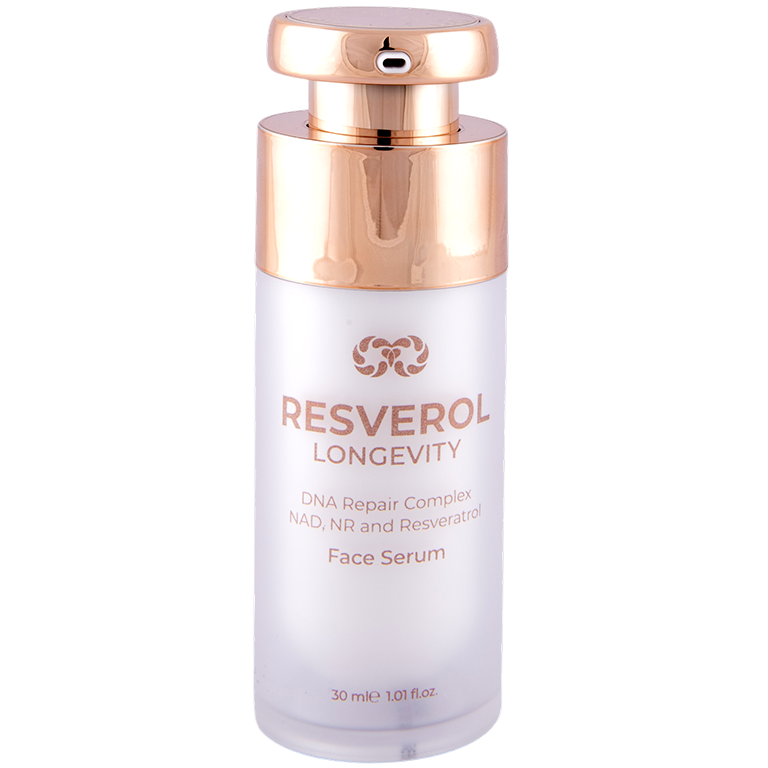 30 ml Cream - 1.01 fluid ouncesResverol Longevity Face SerumResverol Longevity Face Serum ushers in a new era in skincare with its blend of NAD, resveratrol, a peptide complex…View
 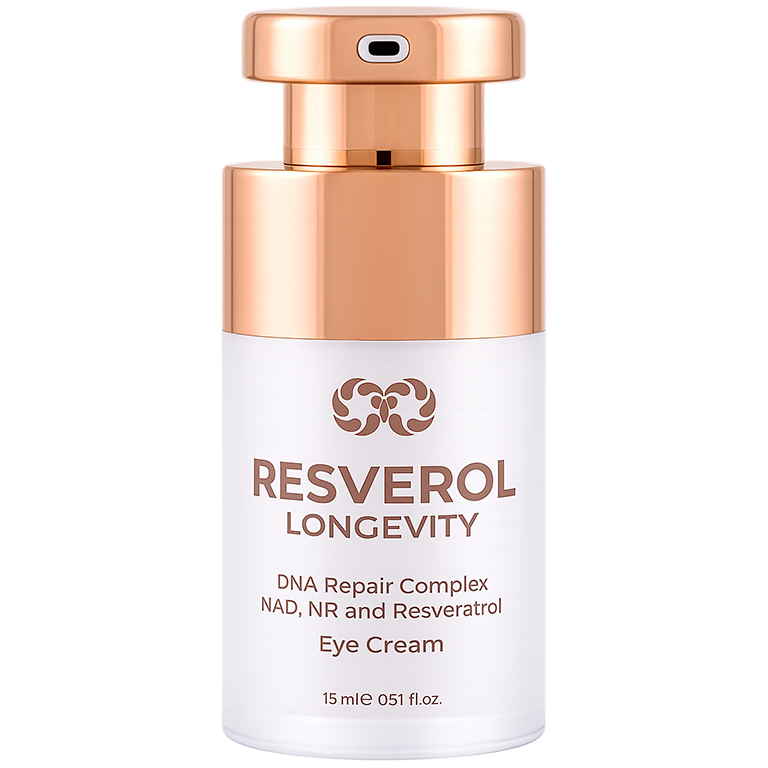 15 ml Cream - 0.51 fluid ouncesResverol Longevity Eye CreamResverol Longevity Eye Cream: A new era in eye care has begun with NAD, resveratrol, a peptide complex, hyaluronic…View
 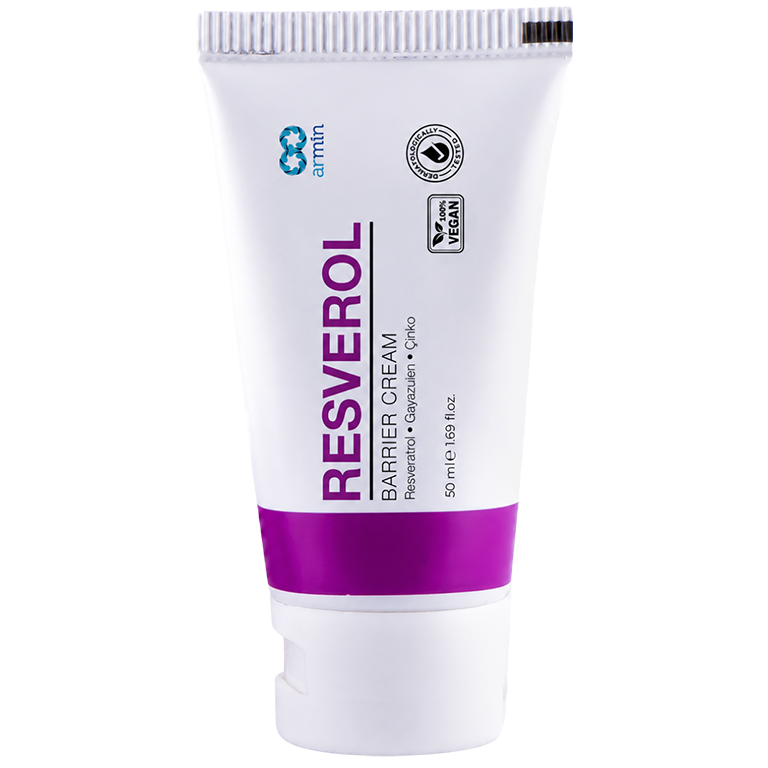 50 ml CreamResverol Barrier CreamA 100% vegan moisturizing cream containing resveratrol, gayazulene, and zinc oxide that helps strengthen the skin…View