
What is Salicylic Acid?
Salicylic acid is a phenolic compound derived from willow trees of the genus Salix. In nature, it is found primarily in the bark of willow trees and in the leaves of certain plants. This compound serves as a natural defense mechanism in plants.
Chemically, salicylic acid is classified as a beta-hydroxy acid (BHA) and has the formula C7H6O3. In the scientific literature, salicylic acid is known for its anti-inflammatory and keratolytic properties and is widely used in dermatological products.
2. R. M. (2020). The Role of Salicylic Acid in Plant Responses to Environmental Stress.
3. J. P. (2018). Salicylic Acid: A Multifunctional Plant Hormone.
Data source: PubChem · CID 338
HEALTH REGULATION NOTICE
Frequently Asked Questions
Salicylic acid is a naturally occurring phenolic compound. Its chemical formula is C7H6O3, and it is classified as a beta-hydroxy acid (BHA). It is commonly found in plants such as willow bark and plays a role in plants’ natural defense mechanisms.
Salicylic acid is found in the bark of willow trees (genus Salix), which is its best-known natural source. It can also be found in trace amounts in licorice root and certain vegetables.
In the scientific literature, salicylic acid is known primarily for its anti-inflammatory and keratolytic (exfoliating dead skin cells) properties. Because of these properties, it is frequently used in dermatological products.
Salicylic acid is known for its traditional use in willow bark for its pain-relieving and fever-reducing properties. Modern science has investigated the mechanisms underlying these traditional uses.
Salicylic acid may cause sensitivity in some people, especially when used on the skin. Side effects such as skin irritation, redness, or peeling may occur. Pregnant women, nursing mothers, people with kidney or liver conditions, and those allergic to salicylic acid are advised to consult a healthcare professional before use. This ingredient is not a medication, and supplements are not a substitute for medication.
Products Containing This Active Ingredient
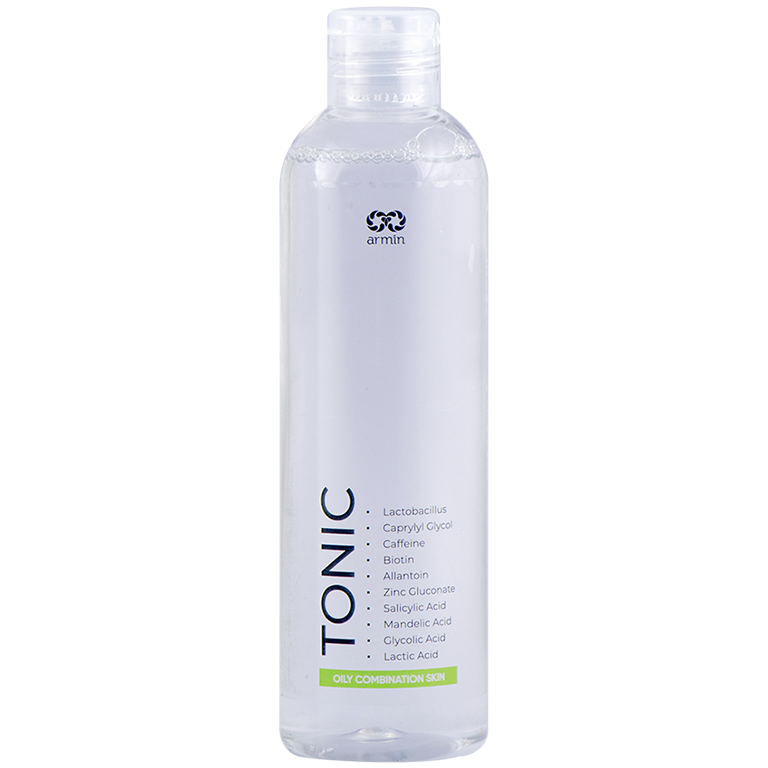 250 ml TonicArmin Tonic for Oily and Combination SkinFormulated for oily and combination skin, Armin Tonic helps prepare the skin for skincare and gives it a smooth, matte…View
 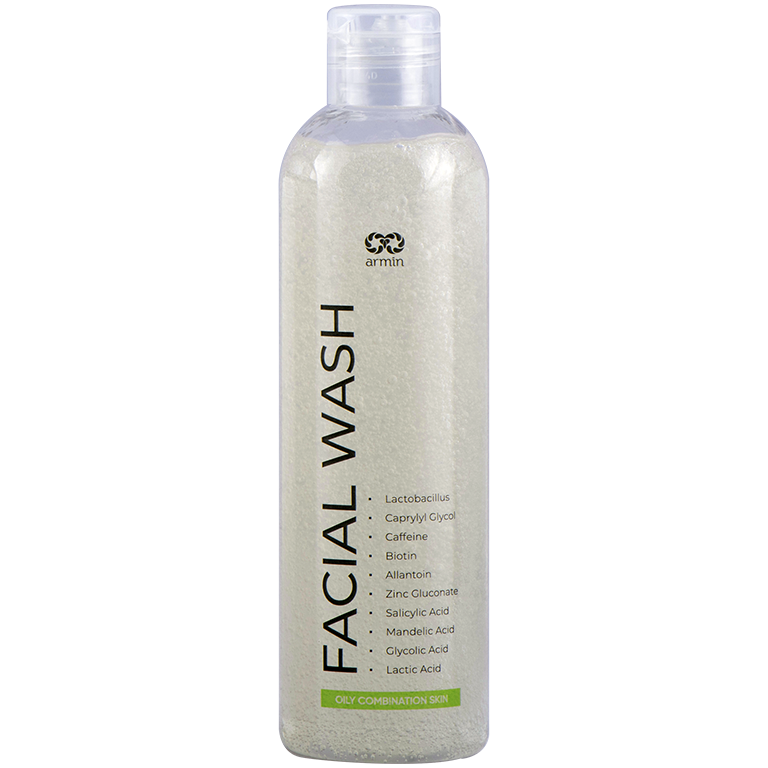 250 ml GelArmin Facial Cleansing Gel for Oily and Combination SkinArmin Facial Cleansing Gel for Oily & Combination Skin; formulated to gently cleanse the skin as the first step in your…View