
What is Vitamin C?
Also known as L-ascorbic acid, vitamin C is a water-soluble essential vitamin that the human body cannot synthesize and must obtain through the diet. Citrus fruits, strawberries and green vegetables are among its richest sources.
With the chemical formula C6H8O6, it is one of the most widely occurring vitamins in nature and is frequently used in both food and cosmetic formulations.
In the scientific literature, vitamin C is well documented for its role as an antioxidant and as an essential cofactor in collagen synthesis. Research has examined its contribution to normal immune function, to protecting cells from oxidative stress, and — in topical (skincare) form — to skin brightness and photoprotection support. It is also studied for its role in the absorption of dietary (non-heme) iron.
Data source: PubChem · CID 54670067
Data source: PubChem · CID 54670067
HEALTH REGULATION NOTICE
Frequently Asked Questions
Vitamin C, also known as L-ascorbic acid, is a water-soluble essential vitamin. The human body cannot produce it, so it must be obtained through the diet. It plays crucial roles in various bodily functions.
Vitamin C is found in abundance in many fruits and vegetables. Excellent natural sources include citrus fruits (such as oranges and lemons), rosehips, strawberries, red peppers, and broccoli.
The chemical formula for vitamin C is C6H8O6. It is a well-known organic compound.
The scientific literature extensively documents Vitamin C’s role as an antioxidant and a cofactor in collagen synthesis. Research has also explored its contribution to normal immune function, protection of cells from oxidative stress, support for skin radiance and photoprotection (especially in topical applications), and its role in enhancing the absorption of dietary non-heme iron.
Vitamin C is a naturally occurring compound and an essential nutrient, not a drug or medicine. Although supplements containing vitamin C are available, they are not a substitute for medical treatment or a balanced diet. If you have any health conditions, it is important to consult your doctor.
Vitamin C is generally considered safe when obtained from food sources. If you are pregnant, breastfeeding, have a medical condition, or are taking medications, consult your doctor before taking vitamin C supplements to ensure they are appropriate for your individual circumstances.
Products Containing This Active Ingredient
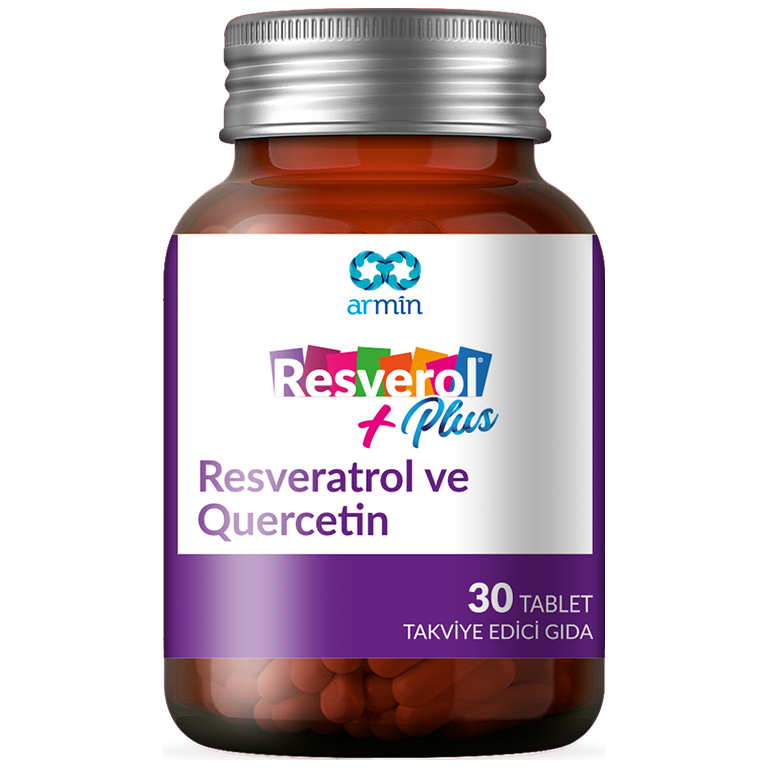 30 TabletsResverol +PlusResverol Plus is a dietary supplement containing resveratrol and quercetin. Each tablet contains vitamin C…View
 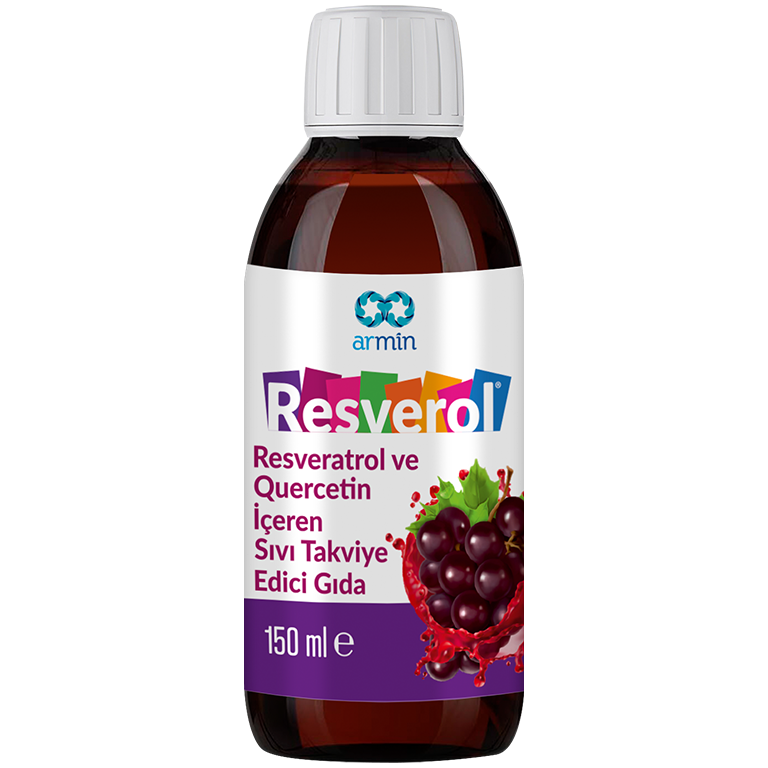 150 ml SyrupResverol SyrupResverol Syrup is a liquid dietary supplement containing resveratrol and quercetin. Each 10-ml daily dose contains…View
 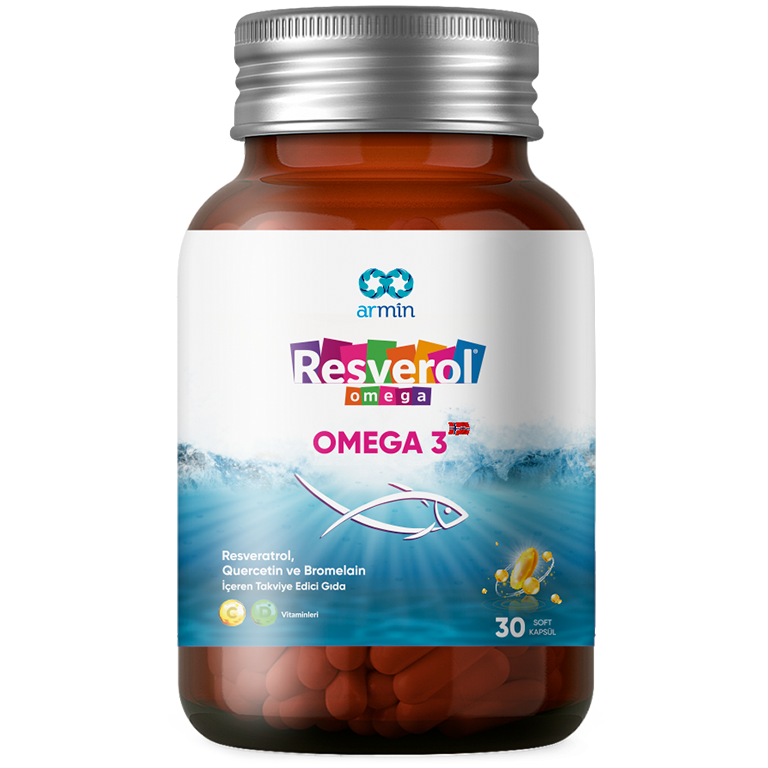 30 Soft CapsulesResverol Omega-3Resverol Omega 3 is a dietary supplement in soft capsule form that contains Omega-3 (EPA and DHA), resveratrol…View
 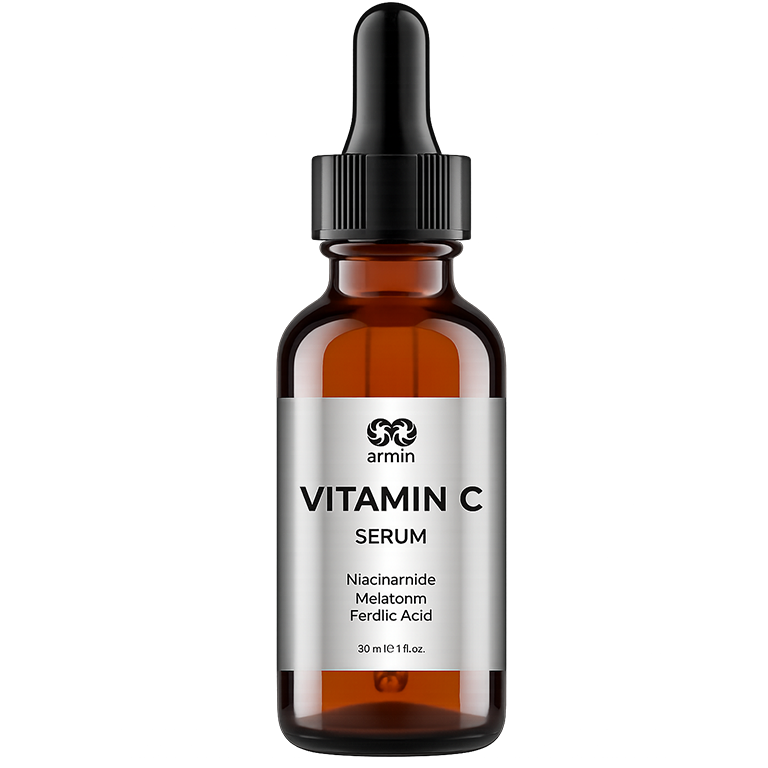 30 ml SerumArmin Vitamin C SerumA facial serum that combines vitamin C derivatives with ferulic acid, melatonin, and niacinamide to help maintain the…View