
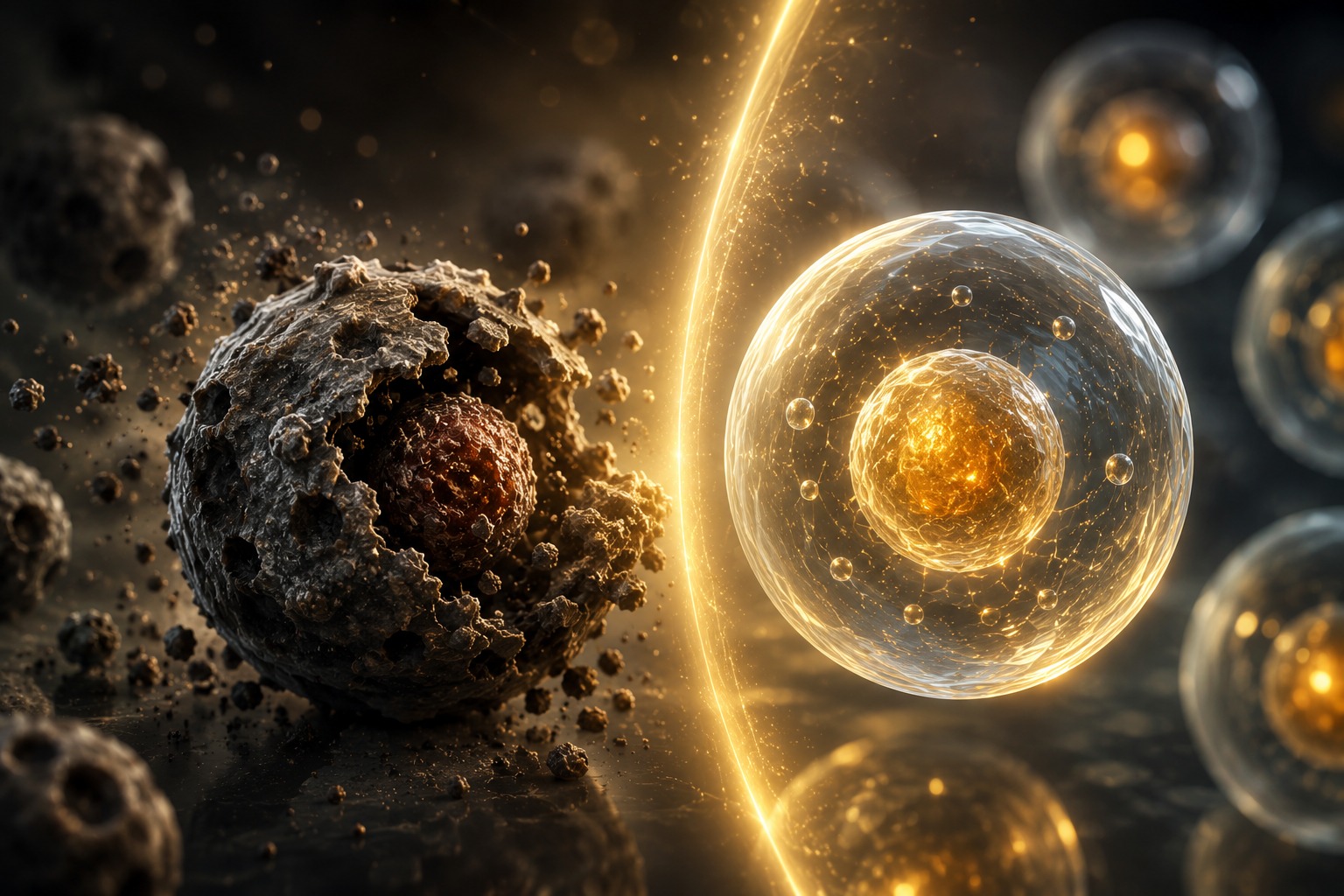
The science of healthy aging (longevity) focuses not only on the formation of new cells but also on the effects of aged, dysfunctional cells on cellular balance. One of the prominent natural compounds in this field is fisetin.
As we age, some cells stop dividing but continue to live. These cells are called senescent (aged) cells. These cells, which accumulate in tissues over time, have become one of the major areas of research in the biology of aging.
What is fisetin?
Fisetin is a flavonoid found naturally in many fruits and vegetables, such as strawberries, apples, grapes, dates, onions, and cucumbers. This natural compound, which acts as an antioxidant in plants, is currently attracting attention, particularly in studies on the biology of cellular aging.
Why are senescent cells important?
Aging cells may remain in the tissue even after they have ceased to perform their normal functions. Scientists are conducting intensive research to understand the effects these cells have on surrounding tissues over time.
For this reason, cellular senescence is currently recognized as one of the key areas of research in the field of longevity science.
Fisetin, on the other hand, is one of the most frequently studied natural compounds in research on senescence cell biology and cellular homeostasis.
Fisetin and Its Role in Longevity Research
The longevity approach aims not only to extend lifespan but also to preserve cellular function throughout life.
Fisetin has become a major focus of research into the fundamental mechanisms of aging, such as cellular aging, oxidative stress, the biology of inflammation, and cellular resilience.
Today, fisetin is considered one of the natural molecules for which the number of scientific publications in the fields of healthy aging, cellular quality control, and the biology of longevity is rapidly increasing.
Scientific References
- Yousefzadeh MJ, et al. Fisetin is a senotherapeutic that extends health and lifespan. EBioMedicine. 2018;36:18–28. DOI: 10.1016/j.ebiom.2018.09.015
- Kirkland JL, Tchkonia T. Senolytic drugs: From discovery to translation. Journal of Internal Medicine. 2020;288(5):518–536. DOI: 10.1111/joim.13141
- Di Micco R, Krizhanovsky V, Baker D, d’Adda di Fagagna F. Cellular senescence in ageing: from mechanisms to therapeutic opportunities. Nature Reviews Molecular Cell Biology. 2021;22:75–95. DOI: 10.1038/s41580-020-00314-w